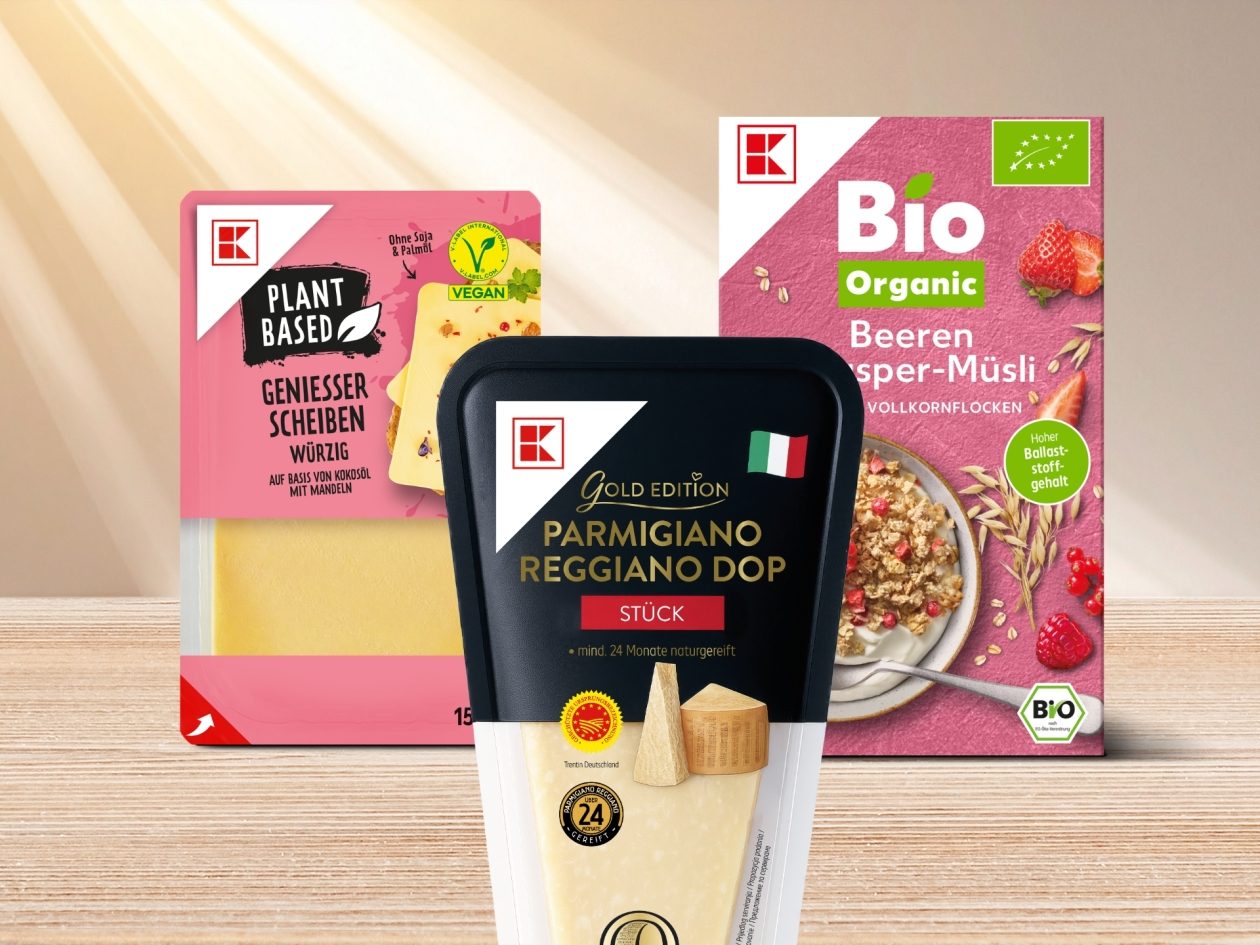
How Retailers Like REWE, Kaufland, and SPAR Are Reshaping the Market and What It Means for Global Manufacturers.
The European retail landscape is undergoing a profound transformation, driven by shifting consumer preferences, rising cost pressures, and increasing competition among major supermarket chains. One of the most significant developments is the rapid growth of private label products. Retailers across Europe are expanding, repositioning, and upgrading their own brands, creating substantial opportunities for international suppliers.
For manufacturers and OEM companies from Asia and other global markets, private label is no longer just an entry point it is a strategic gateway into the European market. Understanding how this segment is evolving is critical for companies aiming to establish long-term partnerships and scale their presence in Europe.
The Rise of Private Label in Europe
Private label products have traditionally been associated with low-cost alternatives. However, this perception has changed significantly. Today, European retailers are transforming their private label portfolios into high-quality, innovative, and sustainable product lines.
Several factors are driving this shift:
- Increasing price sensitivity among consumers
- Growing demand for sustainable and healthy products
- Retailers seeking higher margins and brand differentiation
- Greater control over supply chains and product development
As a result, private label products now compete directly with established brands, particularly in categories such as food, beverages, personal care, and household goods.
Case Study: REWE Expands Plant-Based Private Label Products
One of the most notable examples is REWE, one of Germany’s leading retail groups. The company has recently rebranded and expanded its plant-based private label offerings, reflecting the growing demand for sustainable and vegan products.
This strategic move highlights several key trends:
- Private label is moving into premium and lifestyle segments
- Sustainability and health are becoming core drivers of product development
- Retailers are investing in branding and differentiation, not just pricing
For international suppliers, this creates opportunities to provide innovative products, particularly in fast-growing categories such as plant-based foods, functional ingredients, and alternative proteins.
Case Study: Kaufland Redesigns Private Label Packaging
Another example is Kaufland Germany, which has undertaken a comprehensive redesign of its private label packaging. The focus is on improving shelf visibility, enhancing brand identity, and aligning with sustainability standards.
This initiative demonstrates that private label is no longer just about the product itself, but also about presentation and customer perception.
Key implications include:
- Increased importance of packaging innovation
- Growing demand for sustainable materials and eco-friendly design
- Stronger integration of branding and marketing within private label strategies
Suppliers must therefore go beyond manufacturing and offer solutions that include packaging, design, and compliance with environmental standards.
Case Study: SPAR Hungary Expands Private Label Food Lines
SPAR Hungary is another example of how private label is expanding across product categories. The company has extended its own-brand portfolio in meat products and ready-to-eat meals, responding to consumer demand for convenience and quality.
This expansion highlights several important developments:
- Growth in ready-to-eat and convenience food segments
- Increased focus on local adaptation and market-specific products
- Expansion of private label into fresh and premium categories
For suppliers, this means that opportunities are not limited to standard products. Retailers are actively seeking partners who can deliver customized solutions tailored to specific markets.
Why Private Label Is a Strategic Opportunity for International Suppliers
The evolution of private label in Europe creates a unique opportunity for international companies to enter the market. Unlike traditional brand-driven entry strategies, private label allows suppliers to collaborate directly with retailers and integrate into their value chains.
Key advantages include:
- Faster market entry: Access to established retail networks
- Lower marketing costs: Retailers handle branding and promotion
- Scalability: Ability to grow with retail partners
- Stable demand: Long-term supply agreements
For OEM manufacturers, this model provides a direct path into the European market without the need to build a consumer brand from scratch.
Key Requirements for Entering the European Private Label Market
While the opportunities are significant, entering the private label market in Europe requires careful preparation and compliance with strict standards.
Suppliers must meet:
- EU regulatory requirements (e.g., food safety, CE, REACH, labeling)
- High quality and consistency standards
- Sustainability and ESG expectations
- Retailer-specific specifications and audits
Additionally, strong capabilities in logistics, packaging, and supply chain management are essential.
Trends Shaping the Future of Private Label
The private label segment in Europe is expected to continue growing, driven by several key trends:
- Premiumization: Higher quality and branded private label products
- Sustainability: Eco-friendly products and packaging
- Health and wellness: Organic, plant-based, and functional foods
- Digitalization: Integration of data and technology in retail
These trends are creating new opportunities for suppliers who can offer innovation, flexibility, and strategic alignment with retailer needs.
Challenges for International Suppliers
Despite the opportunities, entering the European private label market is not without challenges:
- Strong competition among suppliers
- High entry barriers and certification requirements
- Complex negotiation processes with retailers
- Need for local presence or partnerships
Success depends on the ability to build trust, demonstrate reliability, and deliver consistent value over time.
How NeoMarketWays Supports Private Label Market Entry
NeoMarketWays supports international suppliers in entering and expanding within the European private label market. By combining market intelligence, strategic advisory, and local network access, NeoMarketWays enables companies to connect with leading retailers and establish sustainable business relationships.
Our services include:
- Market analysis and opportunity identification
- Access to retail networks and decision-makers
- Partner search and business development
- Support in market entry and expansion strategies
With a strong focus on execution, NeoMarketWays bridges the gap between international suppliers and European retail markets.
Conclusion: Private Label as a Gateway to Europe
The growth of private label in Europe represents a fundamental shift in the retail industry. Companies like REWE, Kaufland, and SPAR are redefining their strategies, moving toward innovation, sustainability, and premium positioning.
For international suppliers, this creates a powerful opportunity to enter the European market, build long-term partnerships, and scale their business. However, success requires more than competitive pricing. It demands quality, innovation, compliance, and a deep understanding of local market dynamics.
Companies that align with these requirements and leverage the private label model strategically can unlock significant growth potential in one of the world’s most dynamic retail markets.
Contact NeoMarketWays to explore your opportunities in the European private label market.
Further Insights on European Market Entry
- Manufacturing Expansion in Europe. Key Markets, Cost Structures and Location Strategies.
- Unlocking Europe. A Practical Guide to Market Entry for OEM Companies.
- European Market Entry: Strategies, Partners and Business Expansion Guide
- Best Agencies for Market Entry in Europe
- How Startups Successfully Enter International Markets
- Corporate Banking in the Czech Republic. Market Structure, Key Players and Growth Opportunities.