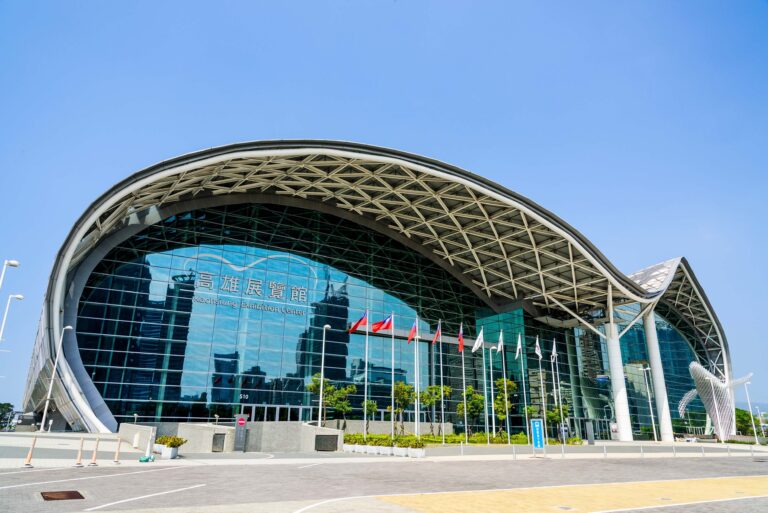
Taiwan has become one of Asia’s most attractive destinations for international companies seeking to expand into dynamic technology-driven markets. With a stable legal environment, strong intellectual property protection, and a highly skilled workforce, Taiwan offers an excellent foundation for foreign businesses looking to establish operations in Asia.
For many companies, Taiwan represents more than just a domestic market of over 23 million consumers. The island plays a critical role in global supply chains and technology production. Its advanced manufacturing capabilities, especially in semiconductors and electronics, have made Taiwan a central hub for global innovation and industrial development.
Foreign companies interested in expanding into Asia increasingly consider Taiwan as a strategic location for regional headquarters, research centers, or production facilities. However, entering the Taiwanese market requires a clear understanding of legal structures, registration procedures, taxation rules, and local business practices.
This guide explains the key steps international companies should consider when starting a business in Taiwan and outlines the strategic advantages of establishing a presence in this dynamic economy.
Why Taiwan Is Attractive for International Companies
Taiwan combines many of the advantages that international companies seek when entering Asian markets. The country offers strong economic stability, transparent institutions, and a legal system that provides reliable protection for foreign investment and intellectual property.
Another important advantage is Taiwan’s technological leadership. The island is widely known as a global center for advanced electronics manufacturing and semiconductor production. Many of the world’s most important technology companies rely on Taiwanese partners for critical components used in smartphones, computers, and telecommunications equipment.
In addition to its technological strength, Taiwan offers excellent infrastructure. Efficient ports, modern airports, high-speed rail connections, and advanced digital networks ensure smooth logistics and connectivity for international business operations.
Taiwan’s workforce also plays an important role in the country’s competitiveness. Universities and technical institutes produce highly skilled graduates in engineering, science, and technology. This strong talent base supports innovation and enables companies to develop advanced products and services.
Legal Structures for Foreign Companies
Foreign investors have several options when establishing a business presence in Taiwan. The choice of legal structure depends on the company’s strategic goals, operational plans, and long-term investment strategy.
Many international companies establish a wholly foreign-owned subsidiary. This structure allows the parent company to maintain full control over operations while benefiting from Taiwan’s legal and financial systems. A subsidiary can conduct commercial activities, hire employees, and generate revenue within the Taiwanese market.
Another option involves forming a joint venture with a local partner. This approach can be advantageous in industries where local market knowledge, distribution networks, or government relationships are particularly valuable. Joint ventures allow international companies to combine their technological expertise with local market experience.
Some businesses initially establish a representative office. This structure allows companies to conduct market research, develop partnerships, and explore business opportunities without engaging in direct commercial activities. Representative offices are often used as a first step before launching full operations in Taiwan.
Company Registration Process in Taiwan
Setting up a company in Taiwan involves several administrative steps. While the process is generally efficient and transparent, companies must ensure that all regulatory requirements are carefully followed.
The first step typically involves reserving a company name and preparing the necessary incorporation documents. These documents outline the company’s business activities, capital structure, and management organization.
After documentation has been prepared, companies must register with the relevant government authorities responsible for foreign investment approval. Once approval is granted, the company can proceed with formal business registration and licensing procedures.
Opening a corporate bank account is another essential step. Financial institutions require official registration documents and identification of company directors before providing banking services.
Once registration is completed, companies must also complete tax registration and comply with local reporting requirements. These procedures ensure that the company operates within Taiwan’s legal and regulatory framework.
Taxation and Financial Considerations
Taiwan offers a relatively straightforward tax system that is generally favorable for international investors. Corporate income tax rates are competitive compared with many other developed economies in Asia.
Businesses operating in Taiwan must comply with corporate tax obligations, value-added tax requirements, and financial reporting standards. Accounting records must be maintained according to Taiwanese regulations, and companies must submit regular tax filings to the authorities.
Taiwan has also established double taxation agreements with several countries to reduce the risk of businesses being taxed twice on the same income. These agreements facilitate international trade and investment by providing clearer tax rules for cross-border operations.
International companies should work with experienced accountants or financial advisors familiar with Taiwanese tax regulations to ensure compliance and efficient financial management.
Hiring Employees in Taiwan
One of Taiwan’s greatest strengths is its highly educated workforce. Engineers, software developers, researchers, and skilled technicians are widely available across many industries.
Labor laws in Taiwan provide clear regulations regarding employment contracts, working conditions, and employee benefits. Companies must comply with minimum wage requirements, social insurance contributions, and workplace safety standards.
Foreign companies can hire both local employees and international staff. In cases where foreign professionals are employed, companies must apply for work permits and residence permits according to Taiwanese immigration regulations.
Many international firms find that combining local expertise with international management experience creates strong teams capable of navigating both local and global business environments.
Common Challenges for Foreign Companies
Although Taiwan offers an attractive business environment, international companies may encounter several challenges when entering the market. Regulatory procedures, while transparent, can still require careful documentation and compliance with administrative requirements.
Another challenge involves understanding local market dynamics. Consumer preferences, distribution channels, and business networks may differ significantly from those in Western markets. Companies that fail to adapt their strategies to local conditions may struggle to gain market traction.
Cultural differences in communication and negotiation styles can also influence business relationships. Taiwanese business culture often emphasizes trust, respect, and long-term cooperation. Developing strong relationships with local partners can therefore be an important factor for success.
By investing time in market research and building local partnerships, international companies can successfully overcome these challenges.
Strategic Advantages of Establishing a Presence in Taiwan
Establishing a business presence in Taiwan offers several strategic advantages for international companies. The island’s role in global technology supply chains provides access to advanced manufacturing capabilities and specialized suppliers.
Taiwan’s geographic location also makes it an effective base for regional expansion. Companies operating in Taiwan can easily connect with markets across East Asia and Southeast Asia while maintaining strong relationships with partners in Europe and North America.
In addition, Taiwan’s innovation ecosystem encourages collaboration between corporations, research institutions, and technology startups. International companies that establish research and development activities in Taiwan often benefit from access to cutting-edge expertise and collaborative networks.
How NeoMarketWays Supports Market Entry in Taiwan
Entering a new international market requires careful planning and a deep understanding of local business environments. Companies must navigate legal requirements, build reliable partnerships, and develop strategies that align with local market conditions.
NeoMarketWays supports international companies in successfully entering markets such as Taiwan. Through strategic consulting, market analysis, and international business networks, NeoMarketWays helps companies identify opportunities and build sustainable partnerships in Asia and Europe.
Our services include market entry strategy development, partner identification, business network access, and support in navigating regulatory frameworks. By combining international experience with regional market knowledge, NeoMarketWays enables companies to accelerate expansion while minimizing risk.
If your company is exploring opportunities in Taiwan or other international markets, contact NeoMarketWays to learn how we can support your market entry strategy.
Conclusion
Taiwan offers international companies a unique combination of technological leadership, economic stability, and access to dynamic Asian markets. Its advanced manufacturing capabilities, strong innovation ecosystem, and transparent legal system create an attractive environment for foreign investment.
Starting a business in Taiwan requires careful preparation, including selecting the appropriate legal structure, completing registration procedures, and understanding regulatory requirements. Companies that approach the market with a clear strategy and strong local partnerships can benefit significantly from Taiwan’s economic opportunities.
As global industries continue to evolve, Taiwan is likely to remain one of the most important hubs for technology and innovation in Asia. For international companies seeking long-term growth in the region, establishing a presence in Taiwan can be a highly strategic decision.
Frequently Asked Questions
Can foreign companies fully own a business in Taiwan?
Yes. In many industries foreign investors are allowed to establish wholly owned subsidiaries in Taiwan, allowing them to operate independently within the market.
How long does it take to register a company in Taiwan?
The registration process typically takes several weeks depending on documentation requirements and regulatory approvals.
What industries are strongest in Taiwan?
Key industries include semiconductors, electronics manufacturing, precision machinery, biotechnology, and renewable energy technologies.
Why do international companies choose Taiwan as a business location?
Companies choose Taiwan because of its technological expertise, stable legal environment, strong supply chains, and strategic location in Asia.