Retail is entering a period of profound transformation. From artificial intelligence and hyper-fast logistics to the return of immersive physical stores, global consumer markets are evolving at a pace that even seasoned strategists find remarkable.
Digitalization, sustainability pressures and changing consumer expectations are challenging traditional retail models while simultaneously creating new opportunities for companies prepared to adapt.
Recent NeoMarketWays analyses of global retail trends show clearly: the retail sector is entering a structural transformation driven by technology, shifting values and the growing power of consumers.
For companies pursuing international expansion—particularly between the ASEAN region and Europe—understanding these developments is essential. The following trends highlight how retail is changing and what they mean for global market entry strategies.
1. Artificial Intelligence Becomes Retail’s Growth Engine
Artificial intelligence (AI) and machine learning have evolved from experimental technologies into core drivers of retail competitiveness. Interest in AI-driven retail applications has surged dramatically over the past five years.
Retailers using AI effectively often achieve significantly higher revenue growth and operational efficiency than competitors without such systems.
Applications include:
- Personalized marketing and product recommendations
- Dynamic pricing strategies
- Inventory optimization
- Fraud and theft detection
For international companies, AI provides a powerful tool to understand local consumer behavior in new markets and to adjust marketing and pricing strategies in real time.
2. Speed Becomes Currency: The Rise of Same-Day Delivery
Delivery speed has become a decisive factor in purchasing decisions. In many markets, same-day delivery is increasingly expected, particularly in urban environments.
Retail giants and logistics innovators are investing heavily in automated fulfillment centers, drone delivery and micro-distribution hubs.
For international brands entering European markets, this means:
- Partnerships with local logistics providers are essential
- Micro-fulfillment centers may determine competitiveness
- Supply-chain transparency is becoming a strategic advantage
3. Experiential Retail: Experience Beats Transaction
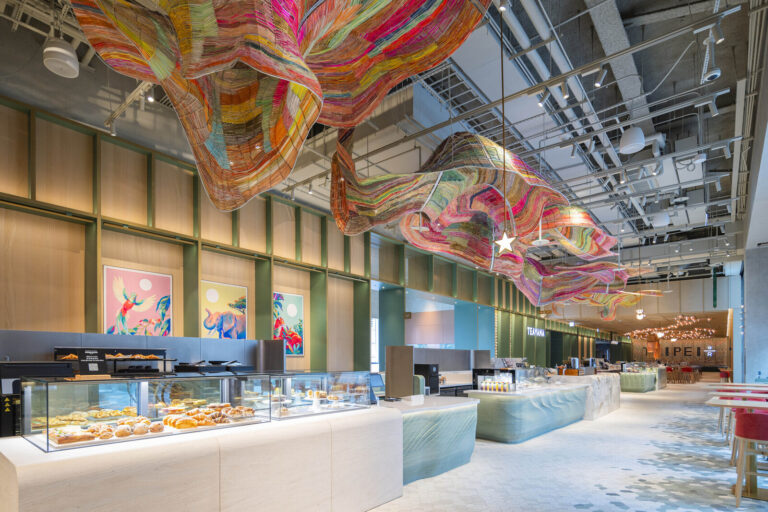
Consumers today are not simply buying products—they are seeking experiences. Physical retail spaces are increasingly designed as immersive environments that combine storytelling, interaction and entertainment.
Examples include:
- Pop-up stores and brand exhibitions
- Retail-café hybrids
- Interactive product demonstrations
- Community and event spaces
Such concepts allow international brands to build trust and emotional connections in new markets. Asian retail markets—from Tokyo to Singapore—have often led the way in blending digital convenience with physical experience.
4. Social Commerce: Buying Where Conversations Happen
Social commerce has become a major retail force in Asia, particularly in China, where platforms like livestream commerce generate billions in annual sales.
Western markets are only beginning to catch up, but growth projections remain strong.
For companies in ASEAN seeking entry into European markets, social commerce offers a cost-efficient channel for introducing new brands—especially for visually driven industries such as fashion, beauty and consumer technology.
5. Private Labels Gain Strategic Importance
Private labels are no longer associated solely with low prices. In many consumer goods categories they now represent more than 20 percent of total sales and continue to grow.
Retailers increasingly position their own brands as premium alternatives emphasizing quality, sustainability and price transparency.
This creates opportunities for international manufacturers to act as white-label suppliers or co-branding partners for European retailers.
6. Second-Hand Markets Go Mainstream
The global resale market is expanding rapidly and is expected to reach hundreds of billions of dollars within the next decade.
Platforms specializing in resale and circular fashion are professionalizing the industry, transforming what was once a niche sustainability movement into a major retail segment.
For brands, this means that circular business models—such as resale programs or product take-back initiatives—are becoming part of long-term retail strategies.
7. The Return of Physical Retail
Despite the rapid growth of e-commerce, many consumers still prefer shopping in physical stores. Younger generations increasingly value the social and experiential aspects of retail environments.
The role of stores is evolving:
- Less transactional space
- More brand storytelling
- Hybrid online-offline experiences
Showrooms, click-and-collect models and in-store events allow retailers to combine digital convenience with physical engagement.
8. Personalization Meets Data Privacy
Retailers increasingly rely on hyper-personalized customer experiences powered by data analytics. However, consumer concerns about privacy are growing at the same time.
This tension is particularly pronounced in Europe, where strict regulations such as GDPR shape digital commerce.
Companies able to combine personalization with transparent data practices can gain a strong competitive advantage.
9. Sustainability Becomes a Market Requirement
Sustainability has moved from marketing narrative to regulatory necessity. Consumers, investors and governments increasingly demand transparent supply chains and environmentally responsible production.
For exporters and international suppliers, compliance with sustainability standards—such as EU ecolabels or fair-trade certifications—has become essential for market access.
10. Beauty Remains Resilient While Luxury Slows
Global luxury markets are expected to grow modestly, while beauty and wellness sectors continue to expand rapidly.
Driven by self-care trends and social media influence, premium cosmetics and skincare products show remarkable resilience even in uncertain economic environments.
This makes the beauty sector an attractive entry point for Asian brands targeting European consumers.
11. Checkout Innovation Defines the Final Customer Experience
The checkout process has become a decisive moment in retail. Frictionless payment systems—ranging from digital wallets and contactless payments to “buy now, pay later” models—are becoming standard.
Technologies such as RFID-based self-checkout and automated receipts are reshaping both online and physical retail experiences.
Adaptability as the Core Competence of Modern Retail
The global retail industry is undergoing structural transformation. Boundaries between digital and physical commerce, global and local markets, and product and experience are increasingly blurred.
Companies expanding internationally must navigate this complex landscape carefully. NeoMarketWays analyzes these strategic challenges in its research on business strategy and global market dynamics in global markets.
Organizations that combine technological innovation with cultural understanding and sustainability will be best positioned to succeed in the retail economy of the future.
Interested in expanding into Asian or European markets?
NeoMarketWays supports companies with market insights, partner search and international business development.
Contact NeoMarketWays to explore market entry opportunities.