Food Brand Insights
Behind every enduring food brand is a story that goes beyond taste. There is distribution, discipline, ownership, supply chain control, cultural instinct and a precise understanding of how consumers build habits. Few companies illustrate this better than Ferrero.
Founded in Alba, in Italy’s Piedmont region, Ferrero grew from a family business into one of the most recognisable food groups in the world. Its portfolio includes Nutella, Kinder, Tic Tac, Ferrero Rocher and several acquired brands across biscuits, snacks, confectionery and ice cream. Yet the real interest for food entrepreneurs is not only the size of the company. It is the way Ferrero has built lasting value in categories that are crowded, price-sensitive and highly competitive.
For founders, investors and food professionals, the Ferrero success story offers a practical playbook. These are seven business lessons from Ferrero that modern food startups can learn from.
Lesson 1: Build Brands, Not Just Products
Many food startups begin with a product. A better snack. A healthier drink. A new sauce. A premium chocolate bar. Ferrero shows that the real business opportunity begins when a product becomes a brand.
Nutella is not simply a hazelnut cocoa spread. It owns a breakfast moment. Kinder is not just chocolate. It is connected with family, childhood and small portions of indulgence. Ferrero Rocher is not merely a praline. It is a gift, a gesture and a symbol of accessible premium quality.
This is central to the Ferrero branding strategy. Each major product has a clear emotional territory. It does not only answer the question: what does it taste like? It answers a more valuable question: where does it belong in people’s lives?
For food startups, this is one of the most important food startup lessons. A product can be copied. A strong brand position is harder to replace.
Lesson 2: Think Long-Term, Not Quarter by Quarter
Ferrero remains one of the most important examples of a global family business in the food sector. That ownership structure matters. It allows the company to think in decades, not only in reporting cycles.
Food brands are rarely built overnight. They need trust, repetition and availability. They need time to become part of a household routine. Ferrero’s growth reflects this long-term mindset. The company has protected its core brands, invested in production and expanded carefully across markets.
For food entrepreneurs, the lesson is clear. Fast growth can be attractive, but speed without discipline can weaken a brand. A startup that expands too quickly may lose control of quality, pricing, retail relationships or customer expectations.
The strongest food business strategy is not always the fastest one. It is the one that can survive supply chain pressure, changing consumer habits and tougher competition.
Lesson 3: Create Premium Products People Remember
Ferrero operates in competitive categories. Chocolate, spreads, sweets and snacks are full of global players, private labels and local favourites. Yet Ferrero has repeatedly created products that people remember.
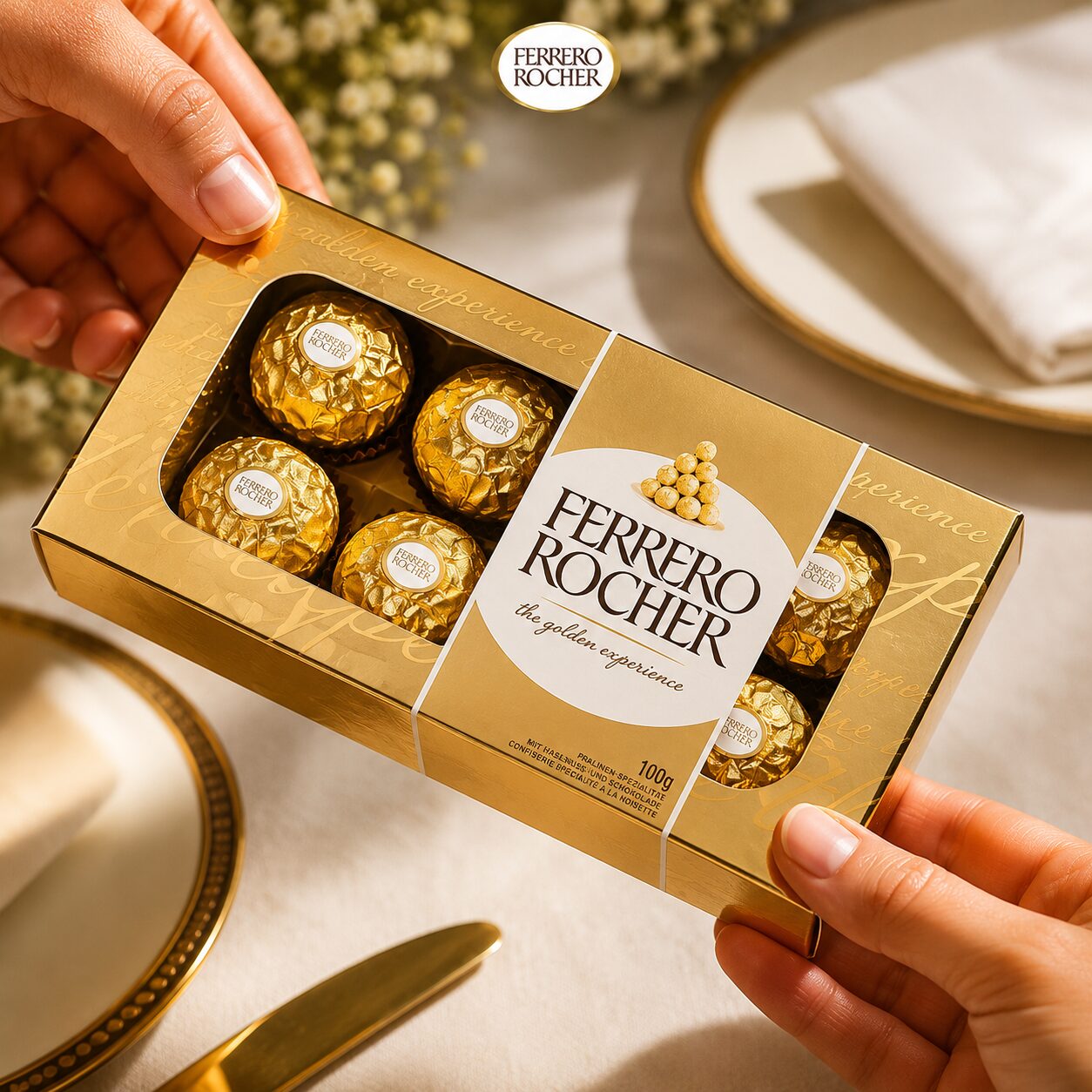
The golden wrapper of Ferrero Rocher. The small white Tic Tac box. The ritual of opening a Kinder product. The jar of Nutella on a breakfast table. These are not accidental details. They are part of the product experience.
This helps explain how Ferrero became successful. The company understands that food is sensory, but also visual and emotional. Packaging, texture, sound, shape and occasion all contribute to memory.
For startups, premium does not only mean charging a higher price. Premium means being distinctive. A product must give consumers a reason to remember it, talk about it and buy it again.
Lesson 4: Expand Internationally Without Losing Your Identity
Ferrero global expansion is a lesson in balance. The company has built brands that are recognised across markets, but it has done so without losing its Italian roots or the core identity of its products.
This is difficult. Food preferences differ from country to country. Retail structures vary. Packaging sizes, price points, gifting traditions and breakfast habits are not the same in Germany, the United States, Japan or the Middle East.
Ferrero’s approach has been to protect the brand essence while building the infrastructure needed for international growth. That means manufacturing capacity, distribution networks, local market knowledge and strong retail partnerships.
For food startups, international growth should not begin with the question: where can we sell next? It should begin with a sharper question: where does our brand meaning travel well?
Global expansion works best when a company knows what must remain consistent and what can be adapted locally.
Lesson 5: Invest in Innovation While Respecting Tradition
The Ferrero business strategy is not based on nostalgia alone. The company protects its icons, but it also extends them into new formats and consumption occasions.
Nutella has moved beyond the jar. Kinder has developed different product formats. Ferrero has expanded into biscuits, ice cream and snacks. These moves show how a food company can innovate without abandoning its original identity.
This is a valuable lesson for food startups. Innovation should not be random. It should grow from the brand’s core promise.
A founder may be tempted to launch new products because a category is fashionable. But a stronger question is: does this product make the brand more meaningful, more useful or more visible?
Tradition gives a brand depth. Innovation gives it movement. The best food companies need both.
Lesson 6: Control Quality Across the Entire Value Chain
Food branding begins with emotion, but it survives through consistency. Consumers return to a brand because the product delivers the same experience again and again.
This is a central part of the Ferrero business model. Quality control, production, sourcing, packaging and logistics are not background activities. They are part of the brand itself.
For food startups, this is often the hardest transition. A product may work well in a small batch. It may impress at a local market, in a restaurant kitchen or in a first online launch. But scaling the same product into supermarkets, export markets or large retail chains is another challenge.
Ingredients must remain stable. Taste must remain familiar. Packaging must protect the product. Deliveries must be reliable. Retailers must trust the supplier.
In food entrepreneurship, operations are not separate from marketing. Every broken promise in the supply chain becomes a broken promise to the customer.
Lesson 7: Grow Through Strategic Acquisitions
Ferrero has also grown through acquisitions. In recent years, the company has expanded its presence in confectionery, biscuits, snacks, ice cream and breakfast-related categories. These moves show a broader ambition: to become more relevant across different moments of consumption.
For startups, acquisitions may not be realistic in the early years. But the strategic logic is still useful. Growth should not be opportunistic. It should strengthen the company’s position.
A new retailer, product line, distributor, investor or market entry should serve the long-term direction of the brand. If it creates confusion, weakens quality or distracts the team, it may not be real progress.
The lesson from Ferrero is not simply to grow bigger. It is to grow with intent.
Final Thoughts: What Food Startups Can Learn from Ferrero
The most valuable business lessons from Ferrero are not about copying its products. They are about understanding the architecture behind a durable food company.
Ferrero built global brands by combining emotional clarity, product discipline, long-term ownership, international ambition and operational control. Its success did not come from one campaign or one trend. It came from the patient construction of trust.
For modern food startups, this is perhaps the most important message. Trends can create attention. Distribution can create reach. Investors can create speed. But only trust creates endurance.
That is why Ferrero remains such a useful case study for food entrepreneurship. It reminds founders that the best food brands are not only eaten. They are remembered, repeated and passed from one generation to the next.

Further Insights
- Market Entry Framework for Food and Beverage Brands: A Strategic Guide to International Expansion
- From Local Kebab Shop to Investment Story: How Dristor Kebap Is Building Romania’s Next Consumer Brand
- Inside Avery Island: The Business Behind the World’s Most Famous Hot Sauce
- The Business of Sriracha. Branding, Growth and Global Success.
- Unlocking Europe. A Practical Guide to Market Entry for OEM Companies.
- European Market Entry: Strategies, Partners and Business Expansion Guide
- Best Agencies for Market Entry in Europe
- How Startups Successfully Enter International Markets