
Why Central & Eastern Europe Has Become a Strategic Hub for Engineering Excellence.
In an increasingly competitive global economy, access to highly skilled engineering talent has become a decisive factor for business success. As companies across industries—from automotive and manufacturing to software development and advanced technologies—seek to strengthen their capabilities, Central and Eastern Europe (CEE) has emerged as a leading destination for engineering expertise.
Countries such as Poland, the Czech Republic, Hungary, Romania, and Bulgaria are no longer seen solely as cost-efficient locations. Instead, they are recognized as innovation-driven markets offering a unique combination of technical education, engineering excellence, and competitive cost structures. For global companies, this creates a powerful opportunity to scale operations, enhance innovation, and remain competitive in international markets.
A Strong Foundation: Education and Technical Excellence
One of the key drivers behind the rise of engineering talent in Eastern Europe is the region’s strong educational foundation. Many CEE countries have a long-standing tradition in technical education, with universities specializing in engineering, mathematics, and applied sciences.
Each year, thousands of graduates enter the workforce with degrees in fields such as:
- Mechanical and industrial engineering
- Electrical engineering and electronics
- Computer science and software engineering
- Automation and robotics
- Data science and artificial intelligence
In addition to academic knowledge, many institutions emphasize practical training, collaboration with industry, and real-world application of skills. This ensures that graduates are well-prepared to meet the demands of modern engineering environments.
Engineering Talent Meets Cost Efficiency
While Western Europe continues to offer strong engineering capabilities, rising labor costs and talent shortages have made it increasingly challenging for companies to scale their operations. In contrast, Central and Eastern Europe offers a compelling alternative.
Companies benefit from:
- Lower salary levels compared to Western Europe
- High productivity and technical competence
- Strong work ethic and adaptability
- Multilingual capabilities, particularly in English and German
This combination allows companies to achieve a highly favorable cost-to-quality ratio. Instead of choosing between affordability and expertise, businesses in CEE can leverage both simultaneously.
Industry Experience and Global Integration
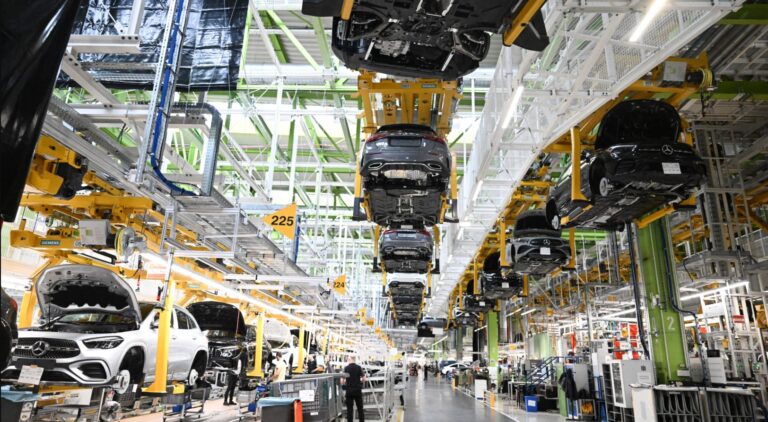
Engineering talent in Eastern Europe is not only well-educated but also highly experienced in working within international environments. Over the past decades, the region has attracted significant foreign direct investment, particularly in industries such as automotive, aerospace, electronics, and IT.
As a result, engineers in CEE have gained extensive experience in:
- Working with global OEMs and Tier 1 suppliers
- Adhering to international quality standards and certifications
- Collaborating in cross-border teams
- Implementing advanced manufacturing and development processes
This level of integration into global value chains makes it easier for international companies to establish operations and quickly align with existing processes and standards.
Technology Hubs and Innovation Ecosystems
Several cities in Central and Eastern Europe have developed into major technology and engineering hubs. Locations such as Kraków, Prague, Budapest, and Bucharest are home to a growing number of research centers, development hubs, and shared service centers.
These ecosystems offer:
- Access to concentrated pools of engineering talent
- Collaboration opportunities with universities and research institutions
- Supportive startup environments and innovation networks
- Modern infrastructure and connectivity
For companies looking to establish R&D centers or expand engineering teams, these hubs provide an ideal environment for growth and innovation.
Supporting Industry 4.0 and Digital Transformation
Engineering talent in Eastern Europe plays a crucial role in supporting the transition toward Industry 4.0 and digital transformation. Companies are increasingly leveraging local expertise to implement advanced technologies and optimize their operations.
Key areas of focus include:
- Automation and robotics in manufacturing
- Smart factory solutions and IoT integration
- Artificial intelligence and data analytics
- Software development and digital platforms
The availability of skilled engineers in these areas enables companies to accelerate innovation while maintaining cost efficiency.
Flexibility and Scalability of Talent
Another advantage of the CEE region is the flexibility of its workforce. Compared to more mature markets, companies often experience greater agility when building and scaling engineering teams.
This flexibility allows businesses to:
- Rapidly expand operations in response to market demand
- Adapt to new technologies and production processes
- Optimize team structures and workflows
In dynamic industries, the ability to scale quickly and efficiently can provide a significant competitive advantage.
Challenges and Considerations
Despite its strengths, companies should approach talent acquisition in CEE with a strategic mindset. As the region continues to grow, competition for skilled engineers is increasing, particularly in major urban hubs.
Key considerations include:
- Rising demand for top engineering talent
- Differences in labor laws and employment practices
- Need for strong employer branding to attract talent
- Importance of local recruitment networks and partnerships
Understanding these dynamics is essential for building sustainable and effective engineering teams in the region.
Why Global Companies Are Investing in Engineering Talent in CEE
The strategic importance of engineering talent in Eastern Europe is reflected in the growing presence of international companies. Many global organizations have established development centers, production facilities, and innovation hubs across the region.
Key drivers for this investment include:
- Access to highly skilled and cost-efficient engineers
- Integration into European markets and supply chains
- Support for innovation and digital transformation
- Long-term scalability and growth potential
For companies seeking to strengthen their global competitiveness, Eastern Europe offers a compelling value proposition.
Conclusion: Talent as a Strategic Growth Driver
Engineering talent in Central and Eastern Europe has evolved into a critical asset for global companies. The region combines strong educational foundations, practical industry experience, and cost efficiency, creating a unique environment for growth and innovation.
As competition for talent intensifies worldwide, companies that strategically leverage the capabilities of Eastern Europe can gain a significant advantage. By investing in the region, businesses are not only reducing costs but also enhancing their ability to innovate and compete on a global scale.
How NeoMarketWays Supports Talent-Driven Expansion
NeoMarketWays supports international companies in accessing engineering talent and building sustainable operations in Central and Eastern Europe. By combining market intelligence, local expertise, and strategic execution, NeoMarketWays enables businesses to unlock the full potential of the region.
Our services include:
- Market analysis and talent landscape assessment
- Partner and recruitment network identification
- Support in establishing engineering and R&D centers
- Business development and expansion strategy
With the right strategy and local insight, engineering talent in Eastern Europe can become a key driver of long-term success.
Contact NeoMarketWays to explore your expansion opportunities in Central & Eastern Europe.

Comments are closed.