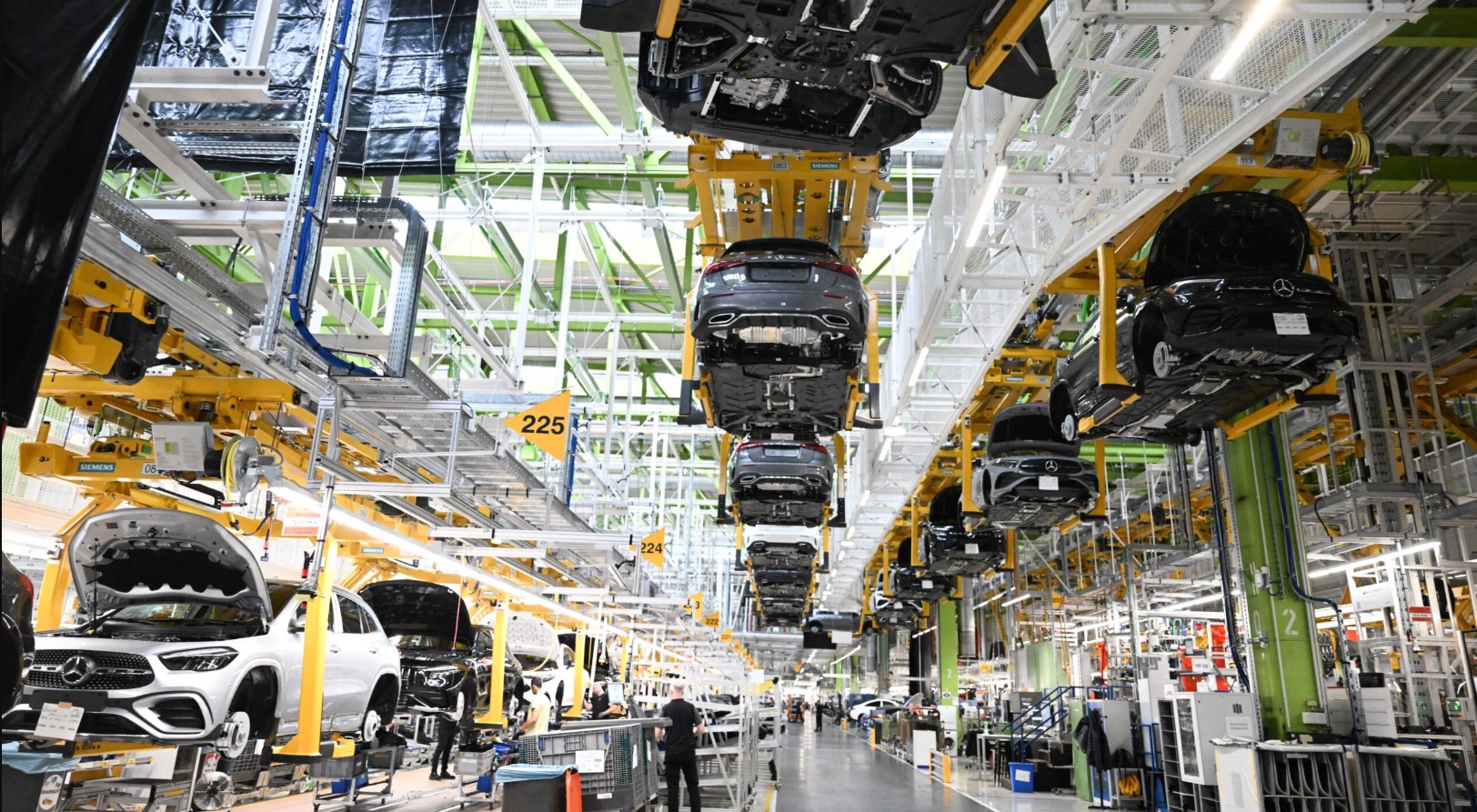
A Strategic Cost Advantage for Industrial Expansion in Europe. Central and Eastern Europe (CEE) has become one of the most attractive regions for manufacturing investment within the European Union. For international companies—particularly OEM manufacturers, industrial suppliers, and technology firms—the region offers a compelling combination of cost efficiency, skilled labor, and strategic market access.
While Western Europe remains a hub for innovation and high-value production, rising labor costs, regulatory burdens, and operational expenses have led many companies to reconsider their manufacturing footprint. In this context, CEE has emerged as a strategic alternative that enables companies to maintain proximity to European markets while significantly reducing production costs.
This article explores the key factors that make Central and Eastern Europe a cost-efficient manufacturing destination and explains why companies are increasingly shifting production to the region.
Lower Labor Costs with High Productivity
One of the most significant advantages of Central and Eastern Europe is its cost-efficient labor market. Compared to Western Europe, wages in countries such as Poland, Romania, Hungary, and Bulgaria are substantially lower, often by 30% to 70%, depending on the sector and skill level.
However, lower wages do not equate to lower productivity. On the contrary, the region offers a highly skilled workforce with strong technical education, particularly in engineering, manufacturing, and IT-related fields.
- Strong technical universities and engineering programs
- High levels of vocational training and industrial expertise
- Growing experience with international production standards
- Multilingual workforce with strong adaptability
This combination allows companies to achieve a highly competitive cost-to-productivity ratio, making CEE particularly attractive for manufacturing operations.
Operational Cost Advantages Beyond Labor
While labor costs are a key driver, the cost advantage of CEE extends far beyond wages. Companies benefit from lower overall operational expenses compared to Western Europe.
Key cost advantages include:
- Facility and real estate costs: Industrial land and production facilities are significantly more affordable
- Energy costs: In many CEE countries, energy prices remain competitive, especially with access to EU-supported infrastructure
- Utilities and services: Lower costs for maintenance, logistics services, and administrative functions
- Construction costs: Lower investment requirements for building new production sites
These factors contribute to a lower total cost of ownership (TCO), which is often more relevant than labor costs alone when evaluating manufacturing locations.
Strategic Location and Supply Chain Efficiency
Central and Eastern Europe offers a unique geographical advantage. Located within the European Union, the region provides direct access to major markets such as Germany, France, Italy, and the Benelux countries.
This proximity enables:
- Shorter delivery times
- Reduced transportation costs
- Greater flexibility in supply chain management
- Improved responsiveness to customer demand
Compared to offshore production in Asia, nearshoring to CEE reduces risks related to global supply chain disruptions, tariffs, and geopolitical uncertainty. As a result, many companies are shifting from offshoring to nearshoring strategies, positioning CEE as a key manufacturing hub.
EU Membership and Regulatory Alignment
Most CEE countries are members of the European Union, which provides a stable legal and regulatory framework. This reduces barriers to trade and simplifies cross-border operations within Europe.
Key benefits include:
- Free movement of goods, services, and capital
- Harmonized standards and certifications (e.g., CE marking)
- Access to EU funding programs and incentives
- Improved transparency and legal protection
For international companies, this means that production in CEE can be seamlessly integrated into European value chains without the complexities often associated with non-EU markets.
Government Incentives and Investment Support
Many Central and Eastern European countries actively support foreign investment through incentive programs designed to attract manufacturing companies.
These incentives may include:
- Tax reductions or exemptions
- Investment grants for new production facilities
- Subsidies for job creation and training programs
- Support for research and development activities
Such incentives can significantly reduce the initial investment required for market entry and improve the overall return on investment.
Industrial Clusters and Ecosystems
CEE has developed strong industrial clusters, particularly in sectors such as automotive, electronics, and machinery. Countries like the Czech Republic, Slovakia, and Hungary are known for their well-established automotive ecosystems, while Poland and Romania are emerging as hubs for electronics and advanced manufacturing.
These clusters provide:
- Access to established supplier networks
- Availability of specialized labor
- Knowledge sharing and innovation opportunities
- Efficient logistics and infrastructure
For OEM manufacturers, being part of such ecosystems is critical for maintaining competitiveness and ensuring efficient production processes.
Flexibility and Scalability
Another advantage of manufacturing in CEE is the flexibility of the labor market and operational environment. Compared to Western Europe, companies often experience fewer rigid labor regulations and greater adaptability in workforce management.
This flexibility allows companies to:
- Scale production up or down more easily
- Adjust to market demand fluctuations
- Implement new production processes more quickly
In fast-changing industries, this agility can provide a significant competitive advantage.
Hidden Costs and Strategic Considerations
Despite its advantages, companies should not view CEE purely as a low-cost destination. Hidden costs and challenges must be carefully evaluated.
Potential considerations include:
- Variations in infrastructure quality between regions
- Administrative and bureaucratic processes
- Differences in local regulations and compliance requirements
- Need for strong local partnerships and market knowledge
A successful market entry strategy requires a comprehensive understanding of both opportunities and risks.
Why Companies Are Choosing CEE Over Western Europe
The shift toward Central and Eastern Europe is driven by a combination of cost efficiency and strategic positioning. Companies are no longer choosing between cost and quality—they are achieving both.
Key reasons include:
- Significantly lower labor and operational costs
- Access to a skilled and educated workforce
- Integration into the European single market
- Proximity to key customers and markets
- Growing industrial ecosystems and supply chains
This makes CEE an increasingly attractive destination not only for manufacturing but also for research, development, and innovation.
Conclusion: Cost Efficiency Meets Strategic Advantage
Central and Eastern Europe offers a powerful combination of cost efficiency, skilled labor, and strategic market access. For companies seeking to optimize their manufacturing operations while maintaining proximity to European customers, the region provides a compelling alternative to Western Europe.
However, success in CEE requires more than cost considerations. It demands a well-structured market entry strategy, a clear understanding of local conditions, and the ability to build strong partnerships.
Companies that approach the region strategically can unlock significant long-term value and establish a sustainable competitive advantage in the European market.
How NeoMarketWays Supports Manufacturing Expansion
NeoMarketWays supports international companies in identifying cost-efficient manufacturing locations, building strategic partnerships, and successfully entering Central and Eastern European markets.
Our services include:
- Market analysis and location assessment
- Partner identification and supplier network development
- Market entry strategy and implementation support
- Business development across Europe and Asia
With a strong understanding of regional dynamics and international business requirements, NeoMarketWays enables companies to turn cost advantages into sustainable growth.
Contact NeoMarketWays to explore your expansion opportunities in Central & Eastern Europe.

Further Insights on European Market Entry
- Manufacturing Expansion in Europe. Key Markets, Cost Structures and Location Strategies.
- Unlocking Europe. A Practical Guide to Market Entry for OEM Companies.
- European Market Entry: Strategies, Partners and Business Expansion Guide
- Best Agencies for Market Entry in Europe
- How Startups Successfully Enter International Markets
- Corporate Banking in the Czech Republic. Market Structure, Key Players and Growth Opportunities.


Comments are closed.