How Sriracha became a global brand without traditional advertising is one of the most interesting stories in the modern food industry. The famous hot sauce did not rise through television campaigns, celebrity endorsements or large marketing budgets. Instead, it became a global success through product quality, word of mouth and a brand identity that felt authentic from the beginning.
Today, Sriracha is more than a spicy condiment. It is a cultural symbol, a restaurant staple and a case study in how a niche food product can become known around the world. For entrepreneurs, food start-ups and international brands, the business of Sriracha offers valuable lessons in branding, growth and global demand.
Who Invented Sriracha Sauce?
The most famous version of Sriracha sauce was created by David Tran, the founder of Huy Fong Foods. After leaving Vietnam and arriving in the United States, Tran began producing chili sauces for Asian communities in California. In 1980, he founded Huy Fong Foods and started building what would become one of the world’s most recognizable hot sauce brands.
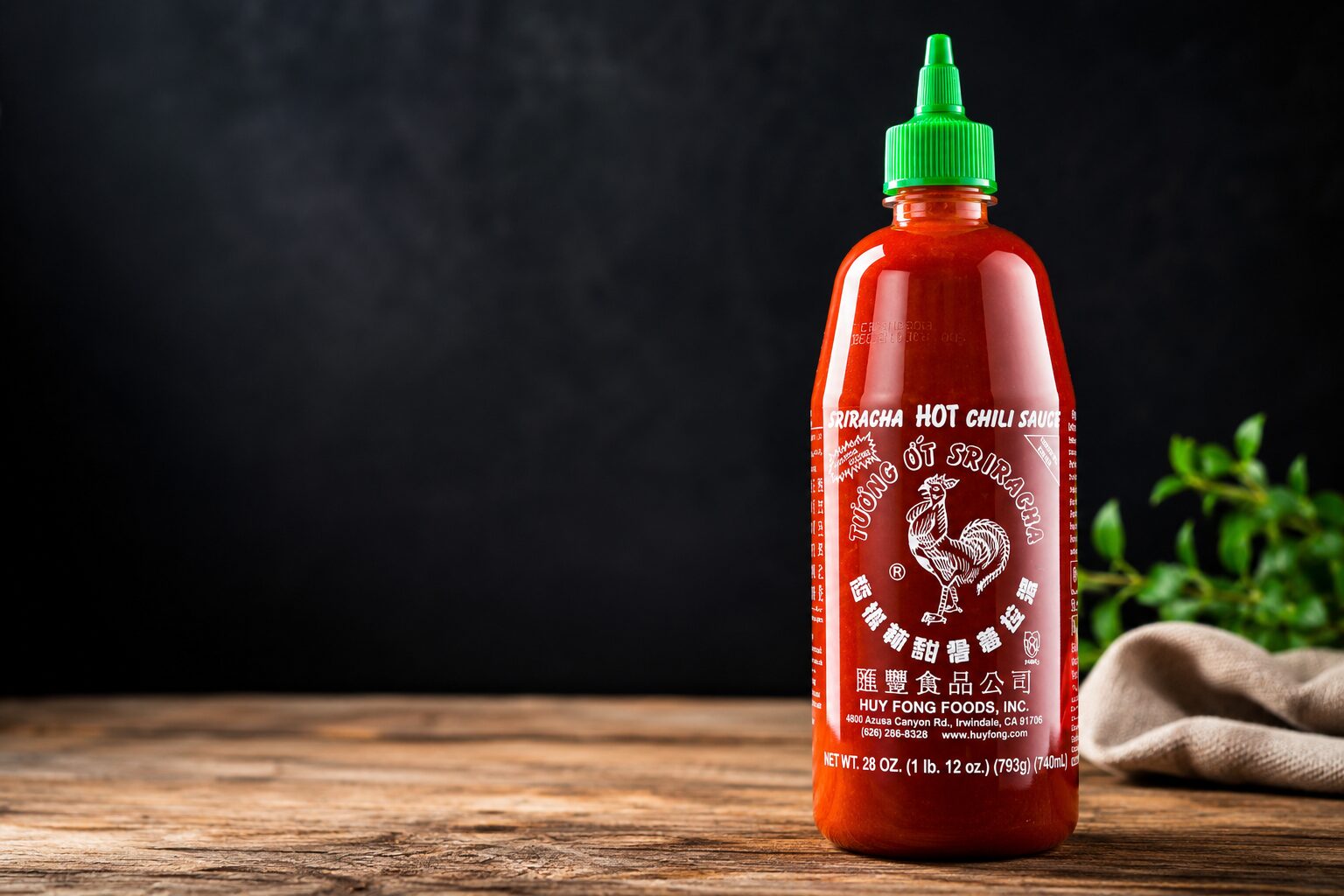
The sauce became known for its red color, balanced heat, garlic flavor, green cap and rooster logo. This simple but highly recognizable design helped Sriracha stand out on restaurant tables and supermarket shelves.
Who Owns Sriracha?
Sriracha is produced by Huy Fong Foods, a privately owned company founded by David Tran. Unlike many successful food brands that are eventually sold to larger corporations, Huy Fong Foods has remained independent.
This private ownership has allowed the company to focus on long-term brand consistency, product quality and operational control rather than short-term market pressure.
Where Is Sriracha Made?
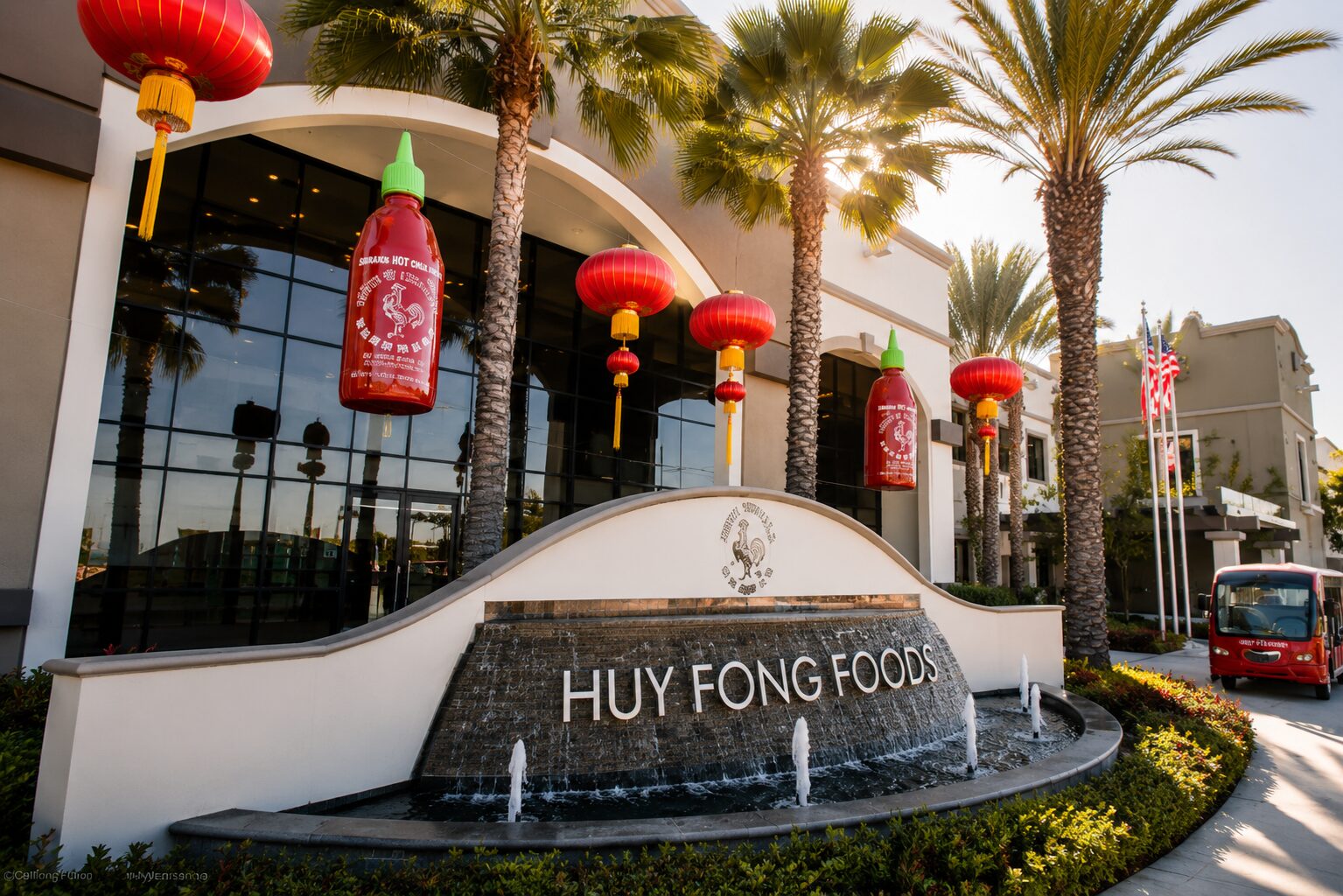
Huy Fong Foods produces its famous Sriracha sauce in California. The company has operated large-scale production facilities in the state and built its reputation around a consistent manufacturing process.
For many consumers, the brand is closely connected with California’s food culture, Asian-American entrepreneurship and the rise of global fusion cuisine.
How Sriracha Became a Global Brand Without Traditional Advertising
One of the most remarkable parts of the Sriracha success story is the lack of traditional advertising. Huy Fong Foods did not rely on expensive campaigns to build awareness. Instead, the company allowed the product to speak for itself.
Chefs introduced Sriracha in restaurant kitchens. Customers discovered it at Asian supermarkets. Food bloggers began writing about it. Home cooks shared recipes online. Over time, the bottle became familiar to millions of consumers.
This is a powerful example of how Sriracha built global demand through word of mouth.
The Sriracha Business Model Explained
The Sriracha business model is based on several simple but powerful principles:
- A focused product with a clear taste profile
- Recognizable packaging
- Strong customer loyalty
- Low dependence on traditional advertising
- High visibility in restaurants and retail
- Independent ownership
- Organic international growth
Instead of building a large portfolio of constantly changing products, Huy Fong Foods focused on doing one thing extremely well. This focus helped the brand become trusted, recognizable and easy to remember.
Branding: The Power of the Green Cap and Rooster Logo
Sriracha’s branding is simple, direct and memorable. The transparent bottle shows the sauce clearly. The green cap creates immediate shelf recognition. The rooster logo gives the product personality and identity.
The label also reflects the multicultural background of the brand. It does not look overly polished or corporate. This gives Sriracha a sense of authenticity that many modern food brands try to recreate.
For entrepreneurs, this is an important lesson: branding does not always need to be complicated. A strong visual identity, repeated consistently over time, can become a major competitive advantage.
Why Is Sriracha So Popular Around the World?
Sriracha became popular because it combines heat, flavor and versatility. It is spicy, but not only spicy. The garlic notes, slight sweetness and smooth texture make it useful across many different cuisines.
Consumers use Sriracha with:
- Noodles
- Rice dishes
- Eggs
- Burgers
- Pizza
- Seafood
- Soups
- Marinades
- Mayonnaise and dips
This versatility helped the sauce move beyond Asian cuisine and become a global kitchen ingredient.
Growth Through Restaurants and Chefs
Restaurants played a major role in Sriracha’s growth. Many consumers first discovered the sauce while eating in Vietnamese, Thai, Chinese or fusion restaurants.
Chefs used it because it was practical, flavorful and reliable. Once customers tasted it in restaurants, they began buying it for home use. This created a natural growth cycle from professional kitchens to private households.
For food brands, this shows how restaurants can function as powerful market-entry channels.
How Sriracha Built Global Demand Through Word of Mouth
Word of mouth became the central growth engine for Sriracha. Consumers recommended it to friends. Chefs added it to menus. Food writers praised it. Social media users shared recipes and photos.
This type of demand is difficult to buy. It grows when a product delivers a clear benefit and gives people a reason to talk about it.
Sriracha became not only a sauce, but a small cultural signal. Using it suggested curiosity, taste and openness to international food trends.
How Much Revenue Does Sriracha Generate?
Because Huy Fong Foods is privately owned, it does not publish detailed financial results like a listed company. This means exact revenue figures are not publicly confirmed in the same way as public corporations.
However, industry estimates have often placed the company’s annual revenue in the tens of millions of dollars. The real business value of Sriracha is not only in direct sales, but also in its brand recognition, cultural influence and ability to inspire related products across the food industry.
The Sriracha Supply Chain Challenge
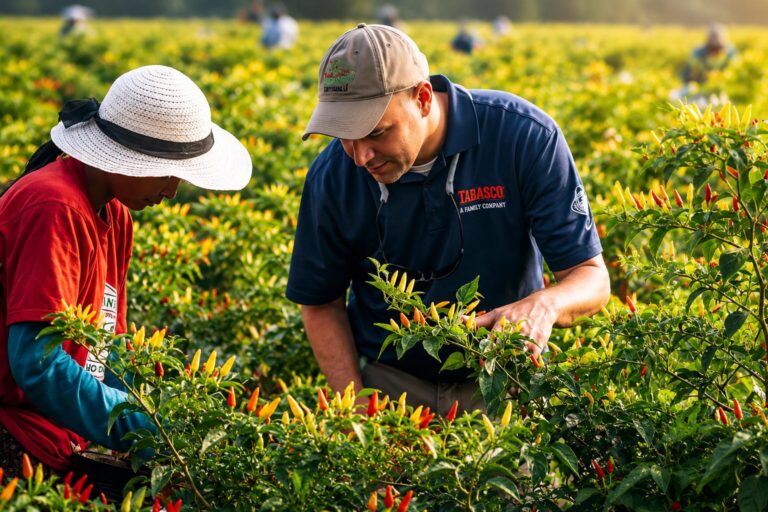
Sriracha’s success also shows the importance of supply chains. The sauce depends on fresh red jalapeño peppers, which require reliable agricultural partners, stable harvests and careful production planning.
In recent years, supply problems and harvest challenges led to shortages in several markets. These shortages showed how vulnerable even a famous global brand can be when key ingredients become difficult to source.
For entrepreneurs, this is a clear reminder: brand strength is important, but supply chain resilience is essential.
What Entrepreneurs Can Learn from the Success of Sriracha
The success of Sriracha offers several practical lessons for entrepreneurs and food start-ups.
1. A strong product can create its own marketing
If customers genuinely love a product, they become promoters. Sriracha grew because people recommended it voluntarily.
2. Consistency builds trust
The bottle, taste and brand identity remained familiar over time. This helped consumers recognize and trust the product.
3. Niche markets can become global markets
Sriracha started by serving specific communities and restaurants. Over time, that niche became a global opportunity.
4. Authenticity matters
The brand did not feel invented by a marketing department. It felt real, practical and rooted in a founder story.
5. Supply chains must grow with the brand
Demand is valuable only if production can keep up. Strong supplier relationships are critical for long-term growth.
International Growth and Global Success
Sriracha’s international growth did not follow the usual corporate playbook. The brand expanded through distributors, restaurants, immigrant communities, food enthusiasts and online visibility.
This organic expansion made the brand feel more authentic than many heavily marketed global food products. It also showed how local food culture can become international when the product is simple, distinctive and easy to use.
Why Sriracha Is a Business Case Study
The business of Sriracha is important because it challenges many assumptions about brand building. It shows that a company does not always need massive advertising budgets to build global awareness.
Instead, Sriracha demonstrates the power of:
- Product quality
- Clear identity
- Customer loyalty
- Restaurant visibility
- Founder authenticity
- Word-of-mouth growth
For business leaders, it is a reminder that some of the strongest brands are built slowly, through trust and repeated customer experience.
Conclusion: The Business Behind a Global Hot Sauce Icon
The Business of Sriracha: Branding, Growth and Global Success is a story of entrepreneurship, authenticity and organic international expansion.
From a founder-led company in California to a global food icon, Sriracha shows how a focused product can travel across cultures and markets. Its success was not created by traditional advertising, but by chefs, customers, restaurants and communities who helped spread the brand one bottle at a time.
For entrepreneurs, food companies and international brands, Sriracha offers a powerful lesson: global success often begins with a product people genuinely love and a brand identity they can instantly recognize.

Further Insights
- Market Entry Framework for Food and Beverage Brands: A Strategic Guide to International Expansion
- Inside Avery Island: The Business Behind the World’s Most Famous Hot Sauce
- The Business of Sriracha. Branding, Growth and Global Success.
- Unlocking Europe. A Practical Guide to Market Entry for OEM Companies.
- European Market Entry: Strategies, Partners and Business Expansion Guide
- Best Agencies for Market Entry in Europe
- How Startups Successfully Enter International Markets