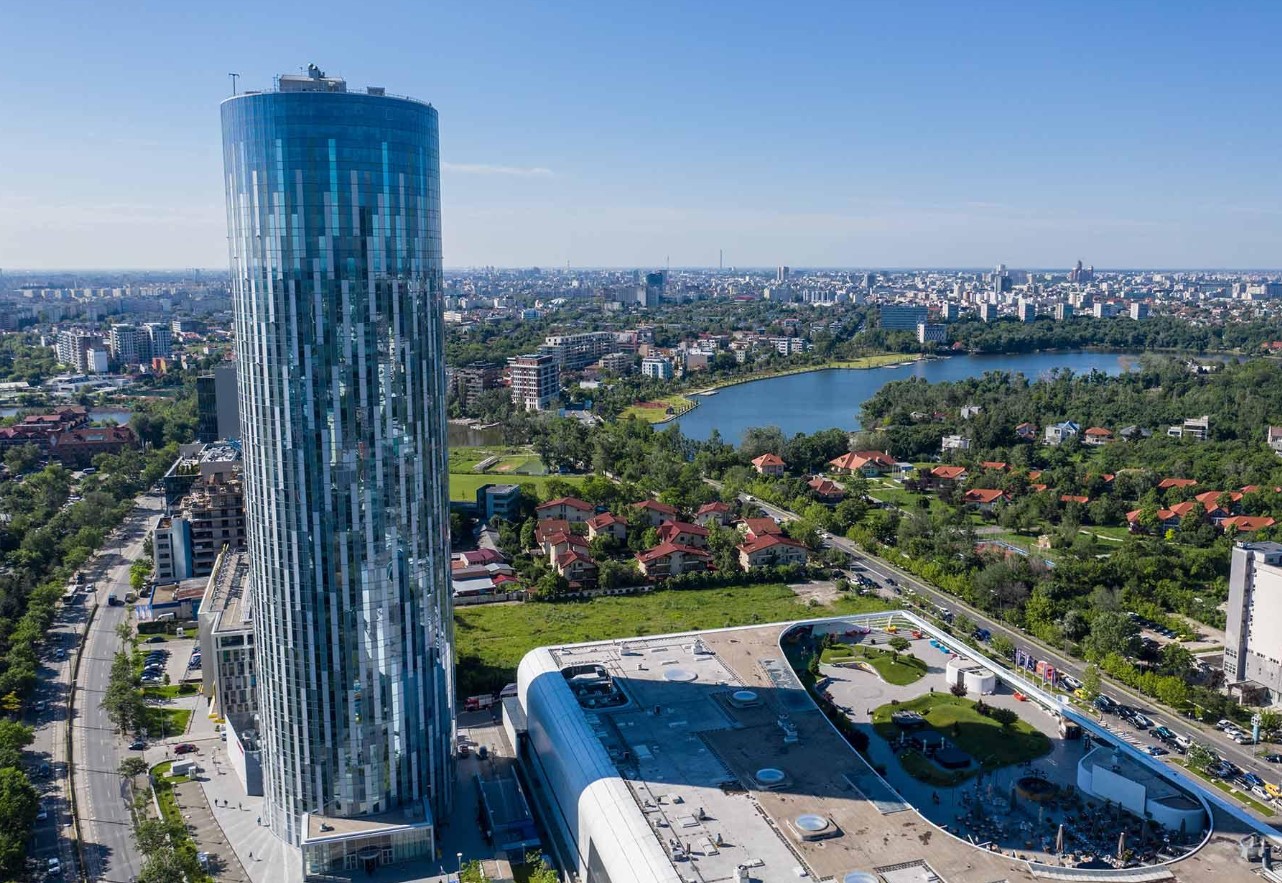
A few months ago, during a strategy discussion with a European manufacturing client, the focus shifted unexpectedly toward Romania. Not Germany, not Poland but Romania. The management team was exploring new locations for expansion and faced a familiar but critical question: Is Romania a viable long-term market entry destination?
The answer is neither a simple yes nor a no. Romania represents a market of contrasts strong growth potential combined with structural inefficiencies. For companies evaluating market entry Romania, the country offers a compelling mix of EU integration, cost advantages, and industrial capability, while also requiring careful navigation of regulatory and infrastructural challenges.
Macroeconomic Development: A Growth Story with Structural Nuances
Romania has emerged as one of the fastest-growing economies in Eastern Europe over the past decade. Since joining the European Union in 2007, the country has demonstrated strong GDP growth driven by industrial production, foreign direct investment, and domestic consumption.
Key industries such as automotive, electronics, and IT services have expanded rapidly. International companies increasingly recognize Romania as a viable alternative to more saturated markets in Central Europe.
However, growth has not been without volatility. Inflation, fiscal deficits, and currency fluctuations remain relevant concerns. While the long-term trajectory is positive, companies must prepare for short-term economic variability.
Romania offers attractive growth potential, but financial planning must account for macroeconomic fluctuations.
Romania’s Role within the European Union
Romania’s EU membership is one of its most significant competitive advantages. Companies entering the market gain direct access to the European Single Market, enabling free movement of goods, services, and capital.
For investors exploring Romania investment opportunities, this means reduced regulatory barriers compared to non-EU markets. Additionally, Romania benefits from EU structural funds, which support infrastructure development and digital transformation.
Strategically, Romania serves as a gateway between Western Europe, Eastern Europe, and the Black Sea region. This positioning makes it particularly relevant for companies pursuing regional expansion or supply chain diversification.
EU integration enhances stability and market access, making Romania a strategic entry point into broader European markets.
Labour Costs vs. Productivity: From Cost Advantage to Value Creation
Romania has traditionally attracted investors due to its relatively low labour costs. Compared to Western Europe, wage levels remain competitive, especially in manufacturing and shared service operations.
However, rising wages and increasing competition for skilled labour are gradually reshaping the landscape. Productivity, particularly in sectors such as automotive and IT, has improved significantly.
This shift positions Romania as a value-for-cost destination rather than purely a low-cost one. The country’s strong engineering talent and technical education system further enhance its attractiveness.
Nevertheless, regional disparities exist. Urban hubs such as Bucharest and Cluj-Napoca offer highly skilled talent, while rural areas may face labour shortages.
Companies must move beyond cost considerations and focus on productivity and talent availability when selecting locations.
Infrastructure: Progress and Persistent Challenges
Infrastructure development in Romania has improved in recent years, largely supported by EU funding. Major cities are better connected, and logistics networks continue to evolve.
The Port of Constanța on the Black Sea provides strategic access to global trade routes, and airport infrastructure is steadily modernizing.

Despite this progress, significant gaps remain particularly in road infrastructure. The motorway network is still underdeveloped compared to Western Europe, which can impact logistics efficiency.
For manufacturing and logistics companies, infrastructure considerations should play a central role in location strategy.
Infrastructure is improving, but site selection must be highly strategic to mitigate operational risks.
Political and Regulatory Risks
Romania presents a moderately complex regulatory environment. While EU alignment has improved transparency and legal frameworks, administrative inefficiencies and bureaucratic hurdles remain.
Policy changes, particularly in taxation and compliance, can occur with limited predictability. This requires companies to maintain flexibility and strong local advisory support.
Corruption perceptions have declined but still influence investor sentiment. Compliance, governance, and due diligence are critical for sustainable operations.
Risk management and local expertise are essential components of successful market entry.
Strategic Considerations for Market Entry
Companies entering Romania should adopt a structured and phased approach. Initial market testing through exporting or partnerships can reduce risk before committing to local investment.
Defining the strategic role of Romania is essential:
- Production base for Europe
- Regional hub for Eastern Europe
- Local sales market
Partner selection, location strategy, and long-term commitment are key success factors. Romania rewards companies that approach the market with patience and strategic clarity.
Romania is no longer an overlooked market it is an emerging strategic player within Europe. Its combination of economic growth, EU integration, and industrial capability creates strong opportunities for international expansion.
At the same time, structural challenges require careful planning and execution. Companies that understand both sides of the equation opportunity and risk will be best positioned to succeed.
In the context of global market entry strategies, Romania stands out as a market that rewards preparation, strategic thinking, and long-term commitment.



Comments are closed.