How Poland’s Convenience Giant Is Reshaping Retail Dynamics in Romania and Creating New Opportunities for International Business
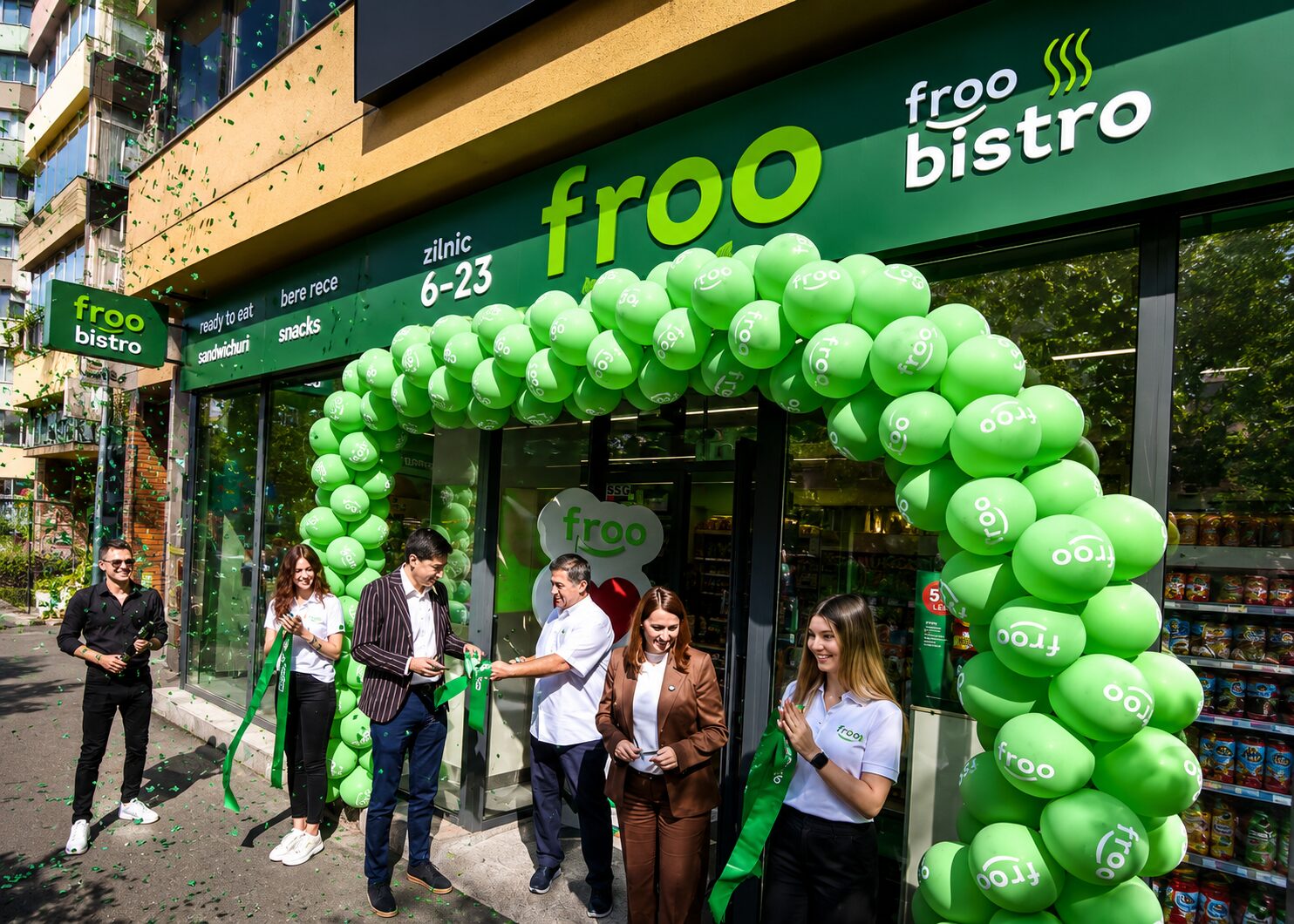
The rapid expansion of Żabka Group into Romania through its convenience retail brand Froo represents one of the most significant developments currently unfolding in the retail sector of Central and Southeast Europe. What began with the opening of the first Froo location in May 2024 has quickly evolved into a highly ambitious regional growth story with implications extending far beyond the convenience store segment itself.
In less than two years, Froo has already surpassed the threshold of 200 stores across Romania. At the same time, the company openly communicates a long term market vision that could eventually support approximately 7,600 stores nationwide. Such figures immediately place Romania among the most strategically important emerging retail markets within the European Union.
The implications are substantial. Żabka’s move into Romania is not simply about exporting a successful Polish retail format. It reflects broader structural changes taking place across Europe’s eastern flank, where rising consumer purchasing power, accelerating urbanization and evolving lifestyles are transforming the region into a highly attractive destination for foreign capital, retail innovation and international supply chains.
For global companies seeking entry points into Europe’s next growth markets, Romania is increasingly difficult to ignore.
The Emergence of a Central European Retail Champion
For decades, the dominant retail narratives in Europe centered largely around Western European multinationals from Germany, France, the United Kingdom and the Netherlands. Central and Eastern Europe were typically viewed as expansion territories rather than sources of international retail leadership.
That perception is beginning to change. Żabka has emerged as one of the most sophisticated retail operators in the region. The company built its success in Poland through dense urban convenience networks, franchise driven growth, advanced logistics and a strong integration of digital retail systems. In many respects, its operating model resembles the efficiency and scalability commonly associated with leading Asian convenience ecosystems.
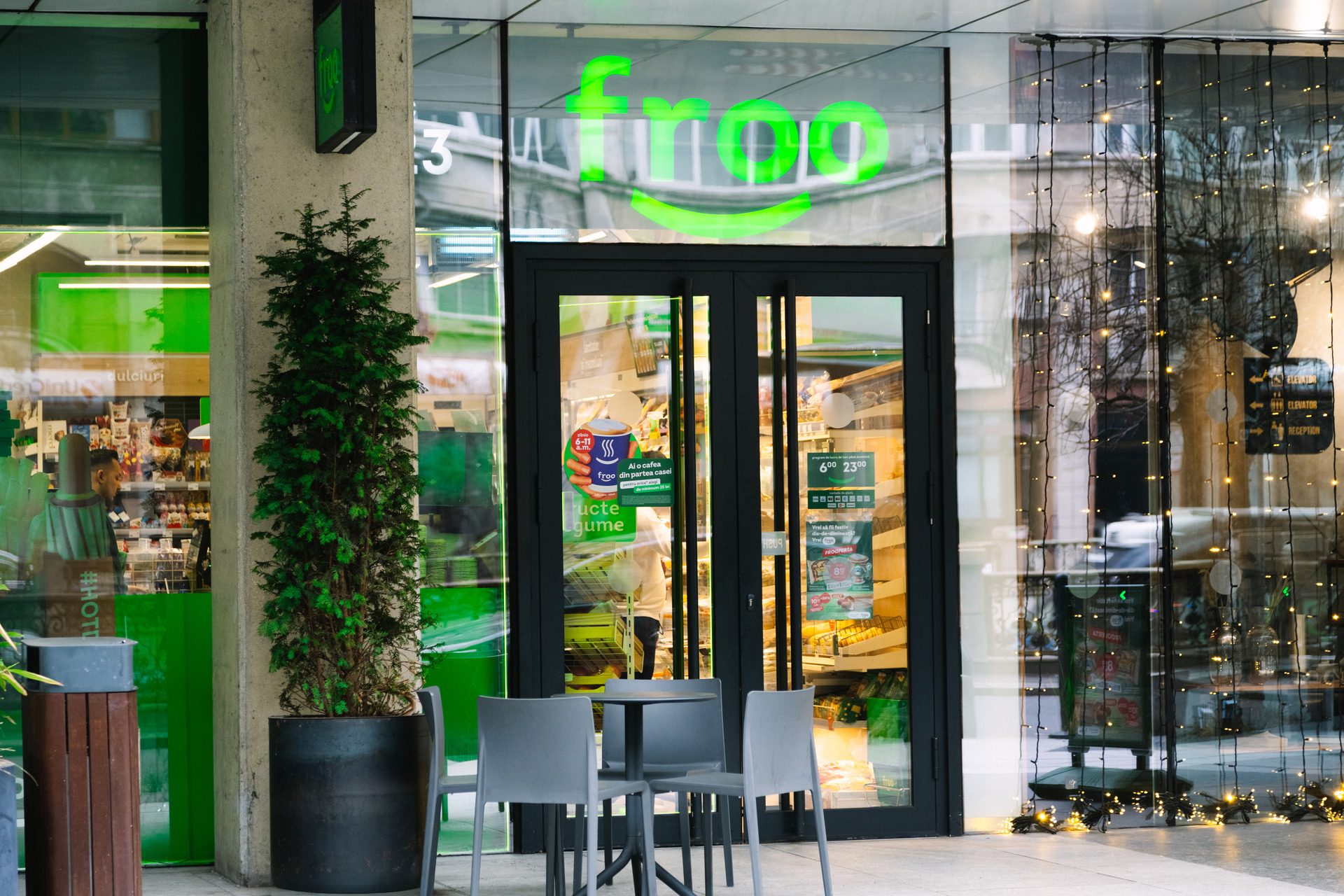
Romania now serves as the first major international test of whether this operational expertise can be successfully transferred beyond Poland’s borders.
The speed of expansion suggests considerable confidence. Opening more than 200 stores within less than two years requires substantial organizational capacity, supply chain coordination and financial commitment. It also indicates that the company sees Romania not as a secondary satellite market, but as a strategic pillar of its international ambitions.
This interpretation is reinforced by Żabka’s decision to establish a dedicated Romanian headquarters to support local operations. Such investments signal permanence and long term intent.
Romania’s Transformation Into a Strategic Retail Market
Romania occupies a particularly interesting position within Europe’s economic landscape. While many Western European retail sectors are mature and increasingly saturated, Romania continues to offer strong demographic and economic growth potential.
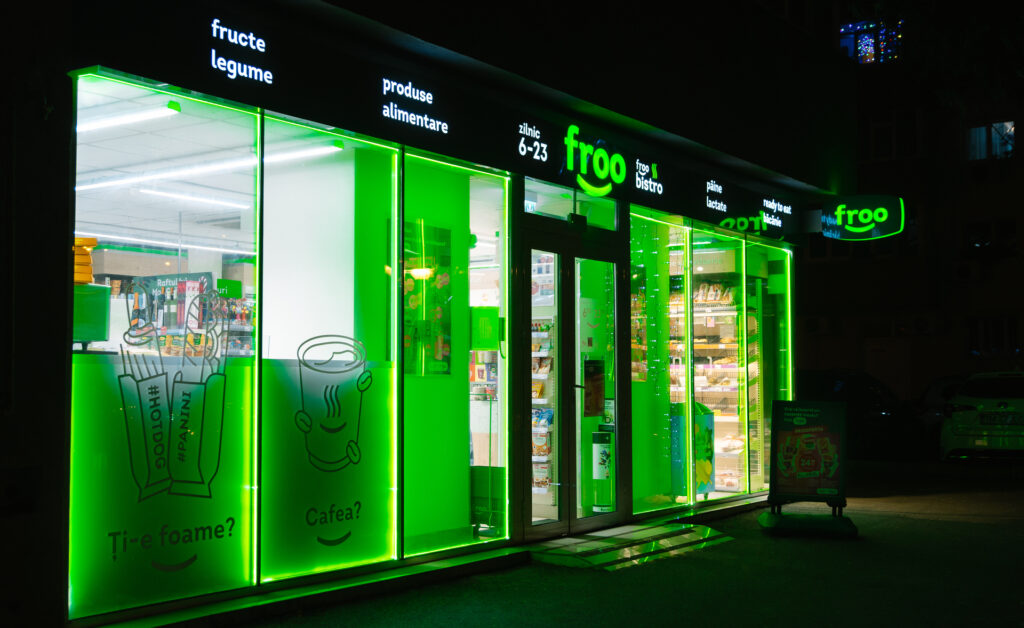
The country combines several favorable characteristics for modern retail expansion. Urbanization continues to accelerate, especially in cities such as Bucharest, Cluj Napoca, Brașov, Craiova and Timișoara. A growing middle class is reshaping consumption habits, with consumers placing greater emphasis on convenience, speed, accessibility and ready to consume products.
At the same time, Romania’s retail market remains less consolidated than those in Western Europe. Traditional independent shops still play an important role across many urban and suburban districts. This fragmentation creates opportunities for highly organized convenience networks capable of delivering standardized operations, modern supply chains and improved customer experiences.
In this context, Froo’s positioning appears particularly relevant for urban Romanian consumers whose lifestyles increasingly resemble those found in larger Western European metropolitan markets.
Convenience Retail and the Evolution of Consumer Behavior
The rise of convenience retail across Europe reflects deeper social and economic transformations. Urban professionals increasingly prioritize time efficiency. Smaller households, flexible working arrangements and digital lifestyles have altered purchasing behavior. Consumers are shopping more frequently, buying smaller quantities and demanding immediate accessibility.
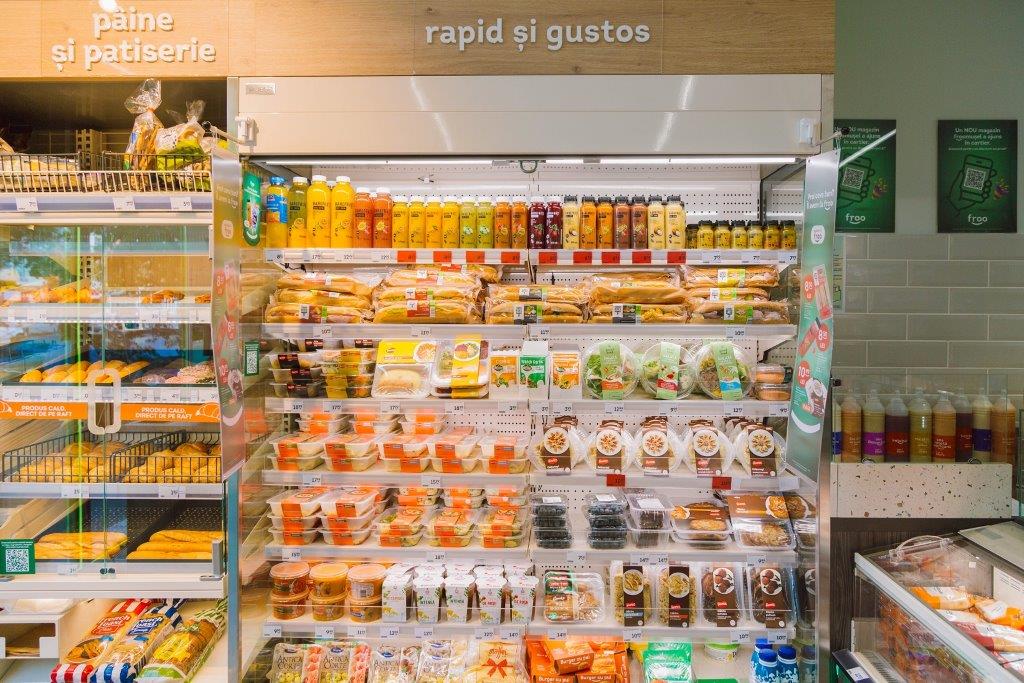
The growing popularity of convenience formats signals that Romanian consumers are becoming more integrated into broader European urban consumption trends. This creates opportunities not only for retailers themselves but also for the companies supplying them. As convenience retail networks expand, demand rises for sophisticated logistics systems, temperature controlled transportation, digital inventory management, smart payment infrastructure and highly responsive supply chains.
New Opportunities for Foreign Businesses
For international companies, especially those seeking access to Southeast Europe, Romania’s retail transformation creates numerous commercial possibilities.
One particularly promising area is food and beverage exports. As convenience retail expands, retailers require increasingly differentiated product assortments. Romanian consumers are showing greater openness toward international products, premium snacks, healthy ready meals, frozen convenience foods and global beverage brands.
This trend creates opportunities for exporters from Asia, the ASEAN region and Western Europe. Asian food producers may find especially favorable conditions as younger urban consumers become more exposed to international cuisine and convenience driven consumption. Products such as ready meals, frozen specialties, instant beverages and modern snack categories could achieve stronger market penetration through expanding convenience networks.
Further Insights into the Retail Market
- Taiwan Convenience Store Market. Why 7-Eleven and FamilyMart Dominate Retail Distribution
- The Future of Retail. Eleven Global Trends Reshaping Commerce and Market Entry Strategies
- Private Label Growth in Europe. Opportunities for International Suppliers.
Romania’s retail sector is still undergoing rapid technological upgrading
At the same time, retail technology providers stand to benefit from Romania’s modernization cycle. Convenience retail depends heavily on digital systems, including point of sale integration, customer analytics, loyalty platforms, inventory optimization and smart refrigeration technologies.
Romania’s retail sector is still undergoing rapid technological upgrading, creating space for foreign technology companies with scalable retail solutions.
The logistics sector also presents substantial opportunities. The increasing importance of fresh and frozen assortments requires advanced cold chain infrastructure, distribution systems and warehousing capabilities. International logistics operators and infrastructure investors are likely to find growing demand as convenience networks continue expanding.
A Market Entering a New Phase
Perhaps the most important lesson from Żabka’s Romanian expansion is that Southeast Europe is entering a new phase of commercial development. The region is no longer simply catching up with Western Europe. In several sectors, it is becoming a dynamic laboratory for new retail models, consumer behavior and regional growth strategies.
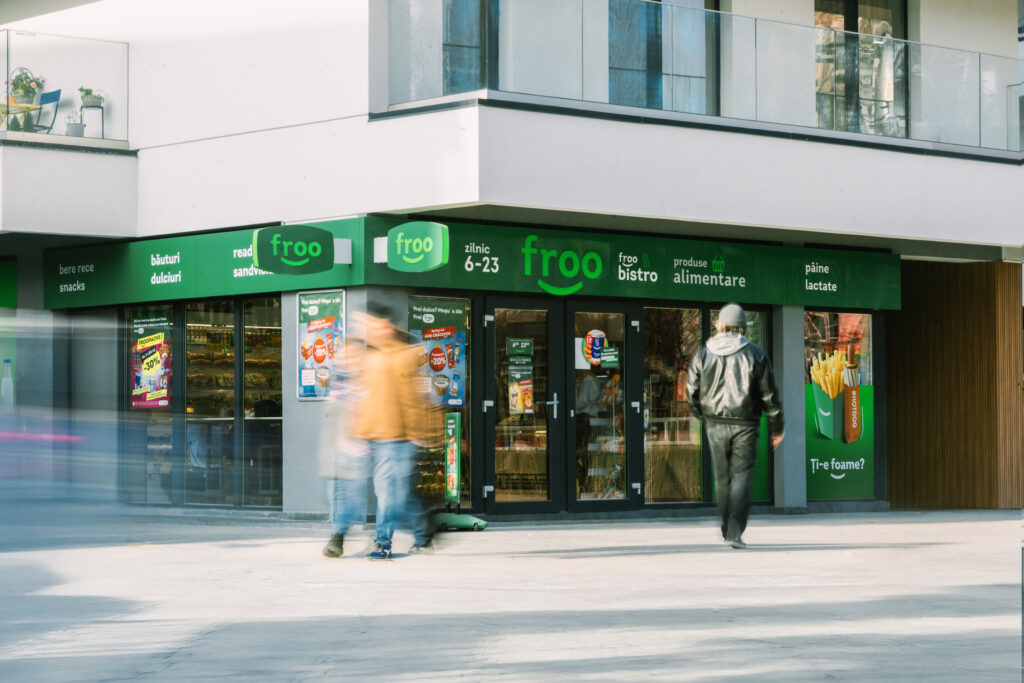
Brand recognition for Froo in Bucharest has reportedly already approached 50 percent despite the relative youth of the network. Such rapid consumer awareness suggests strong market receptiveness and indicates that convenience retail may expand significantly faster than many analysts previously anticipated.
Żabka’s target of opening more than 1,300 stores annually across Poland and Romania by 2028 further demonstrates the scale of ambition now emerging within the sector.
The expansion of Żabka Group and its Froo convenience format in Romania is far more than a retail growth story. It is a reflection of larger economic forces reshaping Central and Southeast Europe.
Romania is rapidly positioning itself as one of Europe’s most attractive emerging retail markets. Rising urbanization, changing consumer habits, expanding purchasing power and increasing foreign investment are creating conditions for substantial long term growth.

Further Insights on Market Entry
From Local Kebab Shop to Investment Story: How Dristor Kebap Is Building Romania’s Next Consumer Brand
Market Entry in Romania. Opportunities, Risks and Strategic Considerations.
How to Do Business in Romania. Complete Market Entry Guide for 2026.
Unlocking Europe. A Practical Guide to Market Entry for OEM Companies.
European Market Entry: Strategies, Partners and Business Expansion Guide
Best Agencies for Market Entry in Europe
Corporate Banking in the Czech Republic. Market Structure, Key Players and Growth Opportunities.
Manufacturing Expansion in Europe. Key Markets, Cost Structures and Location Strategies.
Curated External Insights
Romanian food retail market hits record EUR 30 billion in 2024. Source: Money Buzz.
OECD Economic Surveys: Romania 2026 Source: OECD.
Anytime enters full commercial rollout in Romania, accelerating its growth as a digital insurer Source: Business Review.