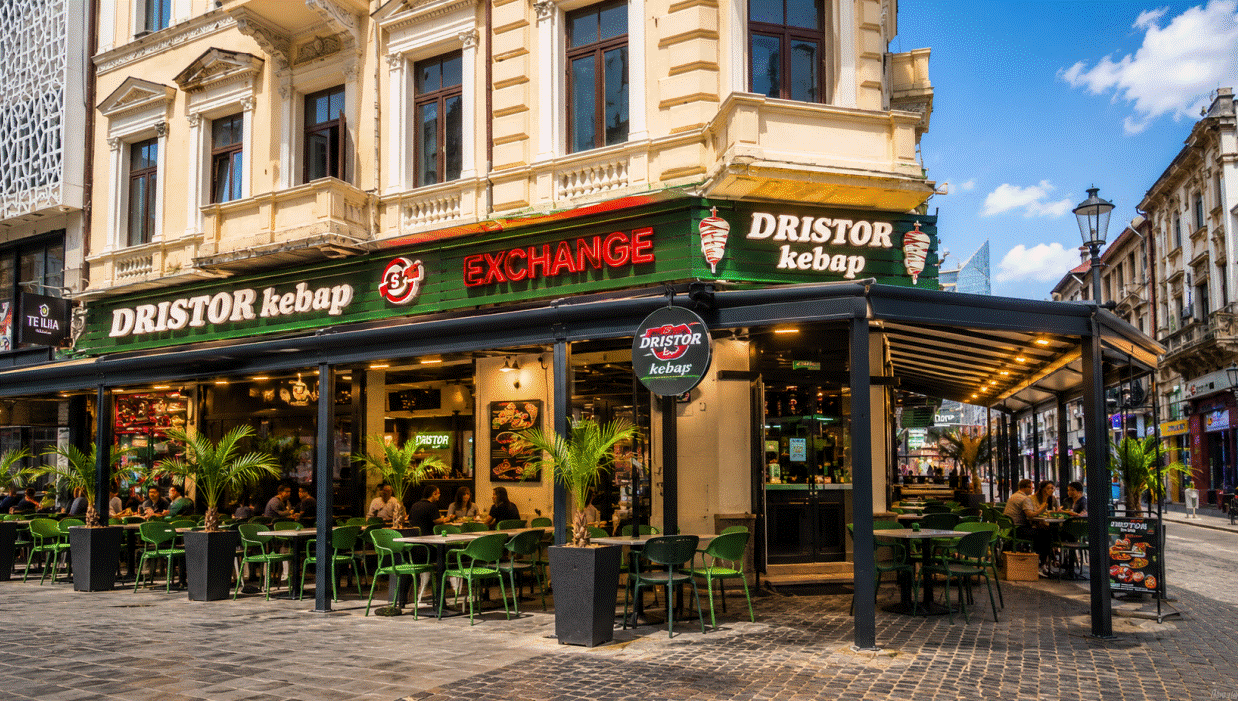
For decades, the kebab shop has been one of Europe’s most familiar urban businesses: informal, local and usually built around speed rather than corporate strategy. It is not the sort of operation typically associated with capital markets, professional boards or ambitious investor presentations.
Dristor Kebap is attempting to change that perception. The Romanian restaurant chain, founded in Bucharest in 1999, has launched a crowdfunding campaign through SeedBlink as part of a wider plan to finance expansion, modernise its operations and prepare the company for a more institutional stage of development.
The initial fundraising target of €1 million was reached within eight days. More than 140 investors joined the round, which remained open with the possibility of raising as much as €2 million. The minimum investment required to become a shareholder was €2,500.
Dristor Kebap is no longer presenting itself simply as a restaurant operator. It is positioning itself as a scalable consumer brand with technology investments, corporate governance ambitions and a possible future stock-market listing.
Introduction: More Than a Crowdfunding Campaign
The SeedBlink campaign should not be viewed as an isolated financing exercise. It is one element of a broader growth strategy that combines new restaurants, digitalisation, operational automation, additional production capacity and access to several forms of outside capital.
Dristor Kebap has also been negotiating with investment funds and has discussed a longer-term stock-market listing. Its stated ambition is to attract as much as €5 million in capital, expand its network to 25 restaurants by 2030 and generate estimated annual revenue of €43 million.
That plan represents a significant shift in corporate identity. Many restaurant businesses grow organically, financing each new location through retained earnings, bank loans or the personal capital of their founders. Dristor Kebap is pursuing a more structured route.
- Equity crowdfunding to attract private investors and expand the company’s shareholder community.
- Potential investment-fund participation to provide larger pools of institutional capital.
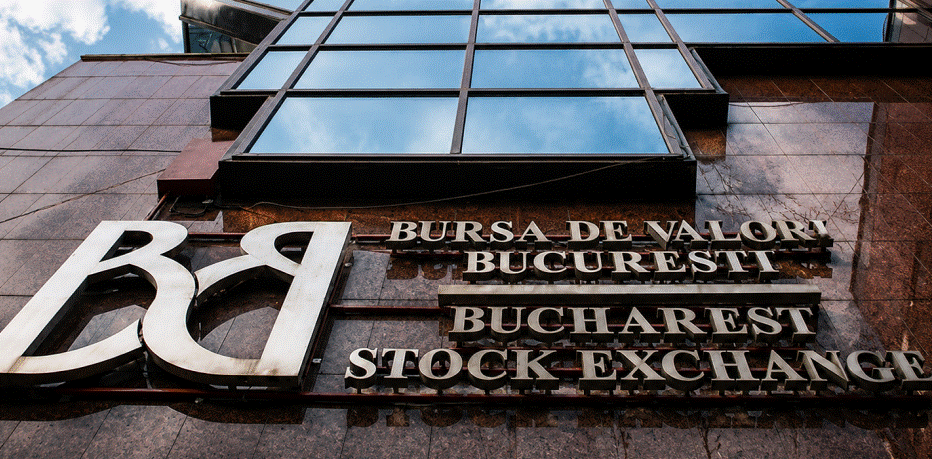
- A possible future stock-market listing to support long-term expansion and improve access to capital.
- Investment in technology and automation to reduce operational complexity as the network grows.
- Stronger corporate governance to prepare the business for more demanding investors.
This matters because scaling a restaurant chain is rarely just a question of opening additional dining rooms. As the number of locations increases, the company must control food quality, procurement, staffing, customer experience, delivery processes and financial reporting across a larger organisation. A successful local restaurant can be driven by the instincts of its founders. A national consumer brand requires repeatable systems.
A Stronger Signal Than the Funding Target
The speed of the fundraising campaign is perhaps more revealing than the amount itself. Reaching the €1 million target in eight days suggests that investors were not backing an untested idea. They were responding to a business with an established brand, visible customer demand and measurable operating performance.
During the first six months of 2026, Dristor Kebap Group generated revenue of RON 54.4 million, an increase of 43.7% compared with the same period in 2025. The company expects to finish 2026 with revenue of RON 108.7 million.
Restaurant-level operating profit reached RON 7.69 million during the first half of the year, up from RON 4.5 million in the corresponding period of 2025. The average order value increased by 20.3% to RON 85.2.
The Making of a Romanian Food Brand
Dristor Kebap’s development began long before crowdfunding platforms became part of Romania’s investment landscape. Established in 1999, the company grew alongside Bucharest’s transformation into a larger, wealthier and more internationally connected European capital.
Its name is closely linked to Dristor, a district in the eastern part of Bucharest. Over time, the brand moved beyond its neighbourhood associations and became one of the most recognisable names in Romania’s quick-service restaurant market.
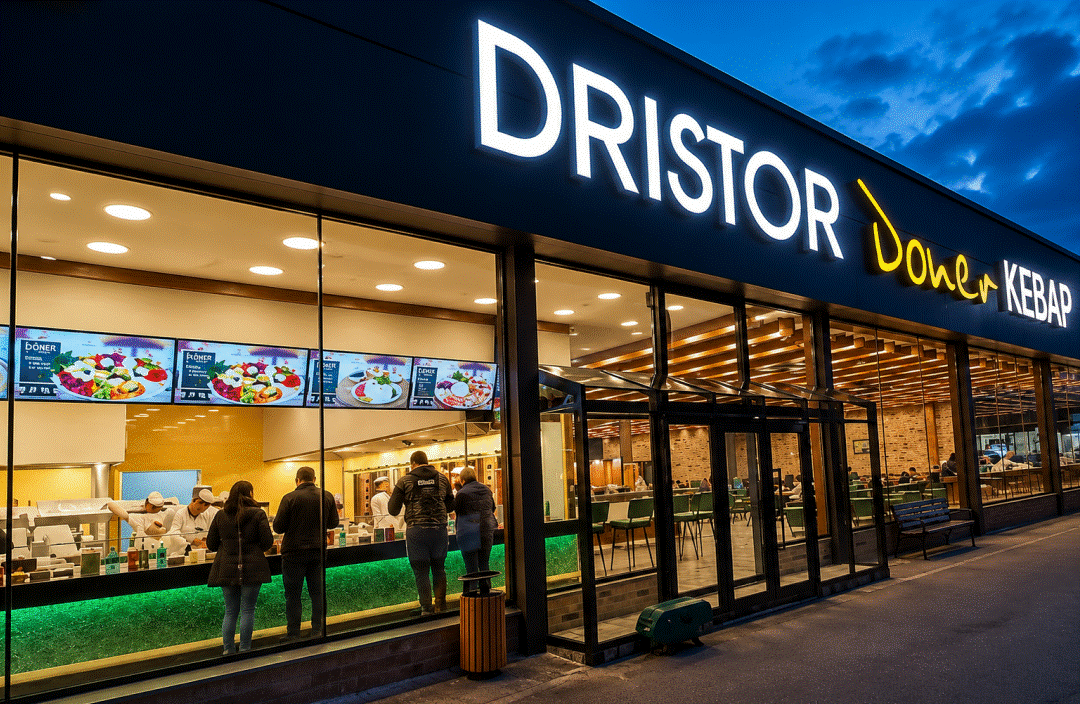
The classic chicken shawarma remains its best-selling product. Yet the strength of Dristor Kebap lies not simply in a single recipe. Its position has been built through a combination of familiarity, generous portions, late opening hours, central locations and the ability to serve a broad customer base.
Office workers, students, families, delivery customers and late-night diners may visit for different reasons, but they recognise the same brand.
From Local Recognition to Commercial Value
In consumer markets, familiarity can become an economic asset. A brand that has been present for more than two decades enjoys advantages that are difficult for new entrants to reproduce quickly.
- Customers already understand the product and service proposition.
- The company has accumulated operational knowledge across different locations.
- New restaurants can benefit from existing brand awareness.
- Landlords and shopping-centre operators are more likely to recognise the concept.
- Investors can evaluate a visible trading history rather than rely entirely on projections.
Dristor Kebap now employs more than 300 people and operates 12 locations. Two restaurants were added compared with 2025, including units in Feeria Băneasa Shopping Center and Orhideea Shopping Center.
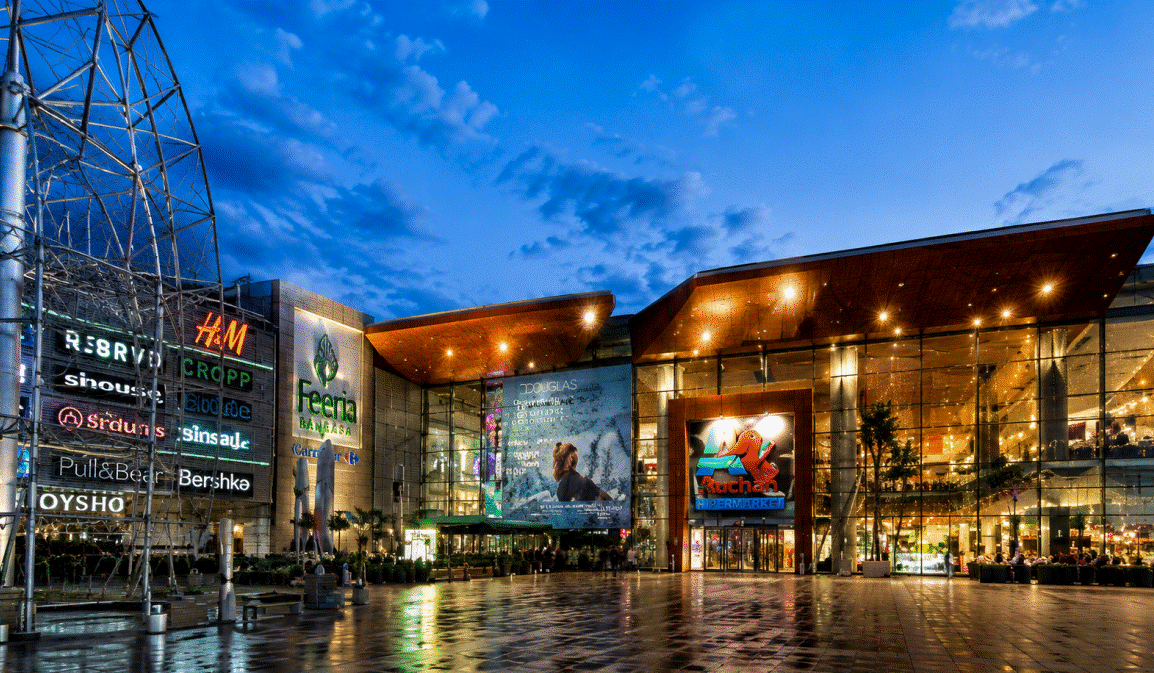
The Feeria Băneasa restaurant generated close to RON 2.8 million in revenue during its first three months and recorded the highest average order value across the network. The Orhideea location was profitable from its first month of operation.
For a company seeking expansion capital, these results are important. They suggest that the brand can travel beyond its original sites and perform successfully in new commercial environments.
The Importance of Being Locally Distinctive
Romania’s restaurant market is crowded with international chains. Global fast-food brands possess large advertising budgets, sophisticated supply chains and well-tested operating models. Competing directly with them requires more than copying their menus or store designs.
Dristor Kebap’s advantage is that it is already embedded in local food culture. It represents a form of Romanian urban fast food that feels both familiar and distinctive. The product may have international origins, but the brand has been shaped by Bucharest.
The most promising local consumer companies are often those that understand international standards without losing the character that made customers notice them in the first place.
This balance will become increasingly important as Dristor Kebap expands. Standardisation can improve efficiency, but excessive uniformity can weaken the personality of a business. The company must therefore professionalise its systems without turning a recognisable Romanian brand into a generic restaurant chain.
That is the central challenge behind its investment story. The next phase will not be defined only by how many restaurants Dristor Kebap opens, but by whether it can transform local popularity into a scalable and professionally governed consumer business.
The SeedBlink campaign provides the capital and public visibility for that next step. It does not, by itself, guarantee success. But it shows that the company is prepared to move beyond the traditional limits of a founder-led restaurant business and enter a more ambitious corporate arena.
Romania’s Consumer Economy Creates New Opportunities
To understand why investors are paying attention to Dristor Kebap, one must look beyond the restaurant itself. The company’s expansion is taking place against the backdrop of one of Europe’s most dynamic consumer markets. Over the past decade, Romania has quietly undergone an economic transformation that is reshaping how people shop, eat and spend.
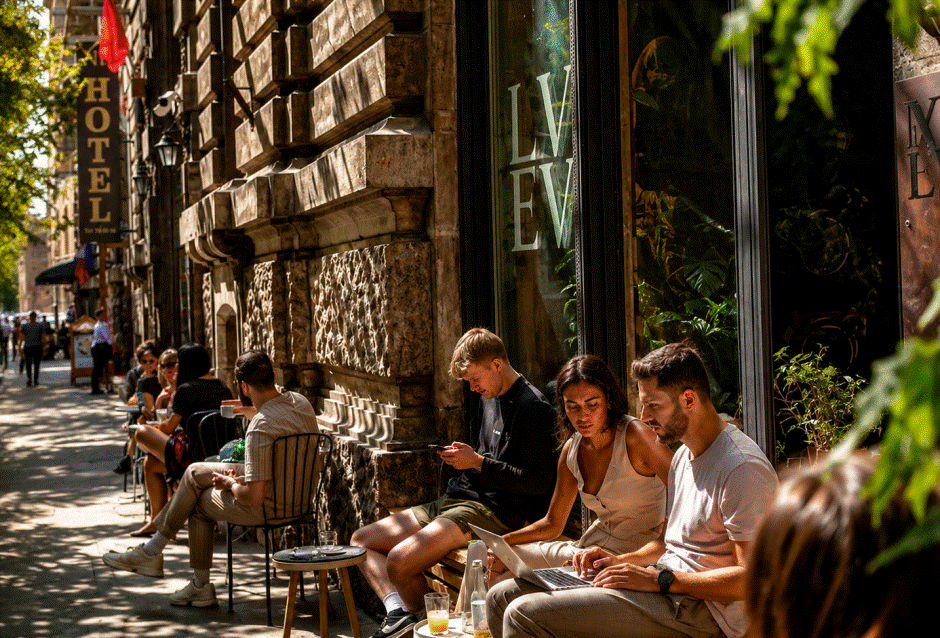
For many international investors, Romania was once viewed primarily as a manufacturing hub or an outsourcing destination. Today, it is increasingly recognised as a growing consumer economy, supported by rising household incomes, urbanisation and a younger generation that is willing to spend more on convenience, quality and branded experiences.
These changes are creating fertile ground for companies capable of building trusted local brands.
The success of companies such as Dristor Kebap is not occurring despite Romania’s economic transformation—it is occurring because of it.
A Market That Has Changed Remarkably
Romania’s economic story has often been overshadowed by larger European markets. Yet in recent years, the country has consistently ranked among the fastest-growing economies in the European Union, supported by strong domestic consumption and continued investment.
- Steadily rising disposable household incomes.
- Growing purchasing power across urban regions.
- Expansion of the middle class.
- Continued urbanisation and residential development.
- Modern shopping centres and mixed-use districts.
- Greater demand for convenience-oriented retail and food services.
As incomes increase, consumer behaviour evolves. Spending gradually shifts from purely price-driven decisions towards factors such as speed, quality, consistency and brand reputation. This trend is visible throughout Romania’s retail and restaurant sectors.
The Rise of Convenience Consumption
The expansion of convenience retail has become one of the defining characteristics of Central and Eastern Europe’s consumer economy. International chains such as Żabka, Carrefour Express, Mega Image Shop&Go and other neighbourhood formats have recognised that consumers increasingly prefer smaller, more accessible locations over large weekly shopping trips.
- Short waiting times.
- Mobile ordering.
- Delivery integration.
- Consistent product quality.
- Restaurants located close to home or work.
In this environment, restaurant operators compete not only on taste but also on convenience. The fastest-growing businesses understand that customer experience now extends well beyond the dining room.
Convenience has become one of the strongest competitive advantages in modern consumer markets. Winning companies are those that save customers time without sacrificing quality.
Romania Is Becoming Increasingly Attractive for Investors
Romania’s growing consumer market has not gone unnoticed. International retailers, shopping-centre developers and consumer brands continue to increase their investments across the country. New retail developments are expanding beyond Bucharest into regional cities, reflecting confidence in local purchasing power and long-term demographic trends.
- Modern shopping centres create premium restaurant locations.
- Growing office districts increase lunchtime demand.
- Residential expansion creates neighbourhood customer bases.
- Improved logistics support multi-site operations.
- Digital payment adoption simplifies customer transactions.
Rather than creating demand from scratch, Dristor Kebap is expanding into a market where many structural conditions are already becoming more favourable.
Scaling Beyond Restaurants
Opening additional restaurants is often perceived as the ultimate measure of growth. In reality, sustainable expansion depends less on the number of locations than on the systems supporting them.
This is precisely where many restaurant businesses encounter difficulties. Growth increases complexity. Every new outlet requires additional staff, inventory, supplier coordination, quality control and financial oversight.
Technology Becomes the Growth Engine
Dristor Kebap has stated that part of the capital raised will be invested in technology, digitalisation and operational automation. While these investments may appear less visible than opening new restaurants, they are arguably more important over the long term. Technology allows restaurant operators to standardise operations while improving efficiency.
- Integrated inventory management.
- Digital supplier coordination.
- Real-time sales reporting.
- Demand forecasting.
- Customer loyalty programmes.
- Delivery platform integration.
- Automated workforce scheduling.
For growing restaurant groups, digital infrastructure becomes as important as kitchen equipment.
Standardisation Without Losing Identity
One of the greatest challenges facing expanding restaurant businesses is balancing operational efficiency with brand authenticity. Customers expect consistency, but they also expect personality.
Dristor Kebap’s long-standing popularity has been built on familiarity and trust. As the company grows, preserving that identity will be just as important as improving operational efficiency. The strongest restaurant brands achieve both objectives simultaneously.
- Recipes remain consistent.
- Customer experience becomes predictable.
- Service quality improves.
- Local brand identity remains intact.
Scaling a restaurant business is not simply about serving more meals. It is about creating systems that allow thousands of customers to receive the same experience while preserving the character that made the brand successful in the first place.
Preparing for the Next Stage of Growth
Dristor Kebap’s objective of reaching 25 restaurants by 2030 represents more than an expansion target. It reflects a broader transition from entrepreneurial growth to organisational maturity.
Every additional location increases operational complexity. Success therefore depends on investments that customers may never see directly: stronger governance, digital infrastructure, production capabilities and management processes.
These investments rarely generate headlines, but they often determine whether a promising local business becomes a sustainable national brand.

Further Insights on Market Entry
Żabka’s Romanian Expansion and the Rise of Southeast Europe’s New Retail Frontier
Market Entry in Romania. Opportunities, Risks and Strategic Considerations.
How to Do Business in Romania. Complete Market Entry Guide for 2026.
Unlocking Europe. A Practical Guide to Market Entry for OEM Companies.
European Market Entry: Strategies, Partners and Business Expansion Guide
Best Agencies for Market Entry in Europe
Curated External Insights
Romanian Brands Through the Eyes of Consumers Source: Revista Biz
European Consumer Sentiment Survey 2026. Romania (PDF) Source: Boston Consulting Group (BCG)
Brand Finance Romania 2026 – Most Valuable Romanian Brands. Source: Brand Finance
OECD Economic Surveys: Romania 2026 Source: OECD.
The digital nomad community in Bucharest: how to connect and network Source: Bucharest.ro