Why one of Asia’s most recognisable retail brands is looking to the past to remain relevant in the future.
Most anniversary campaigns focus on growth. They celebrate expansion, new products and ambitious plans for the future. Hong Kong’s 7-Eleven has chosen a different path.
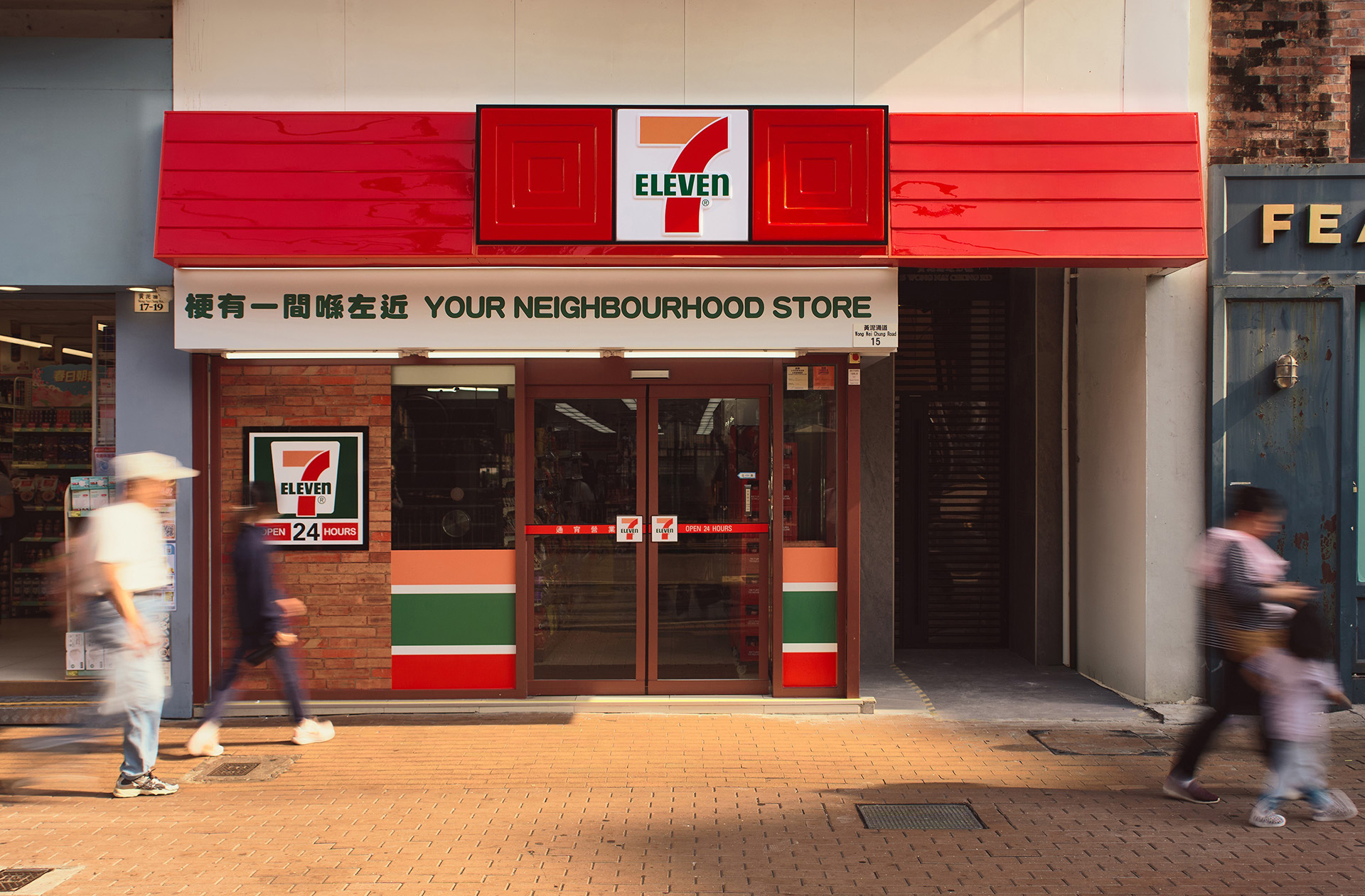
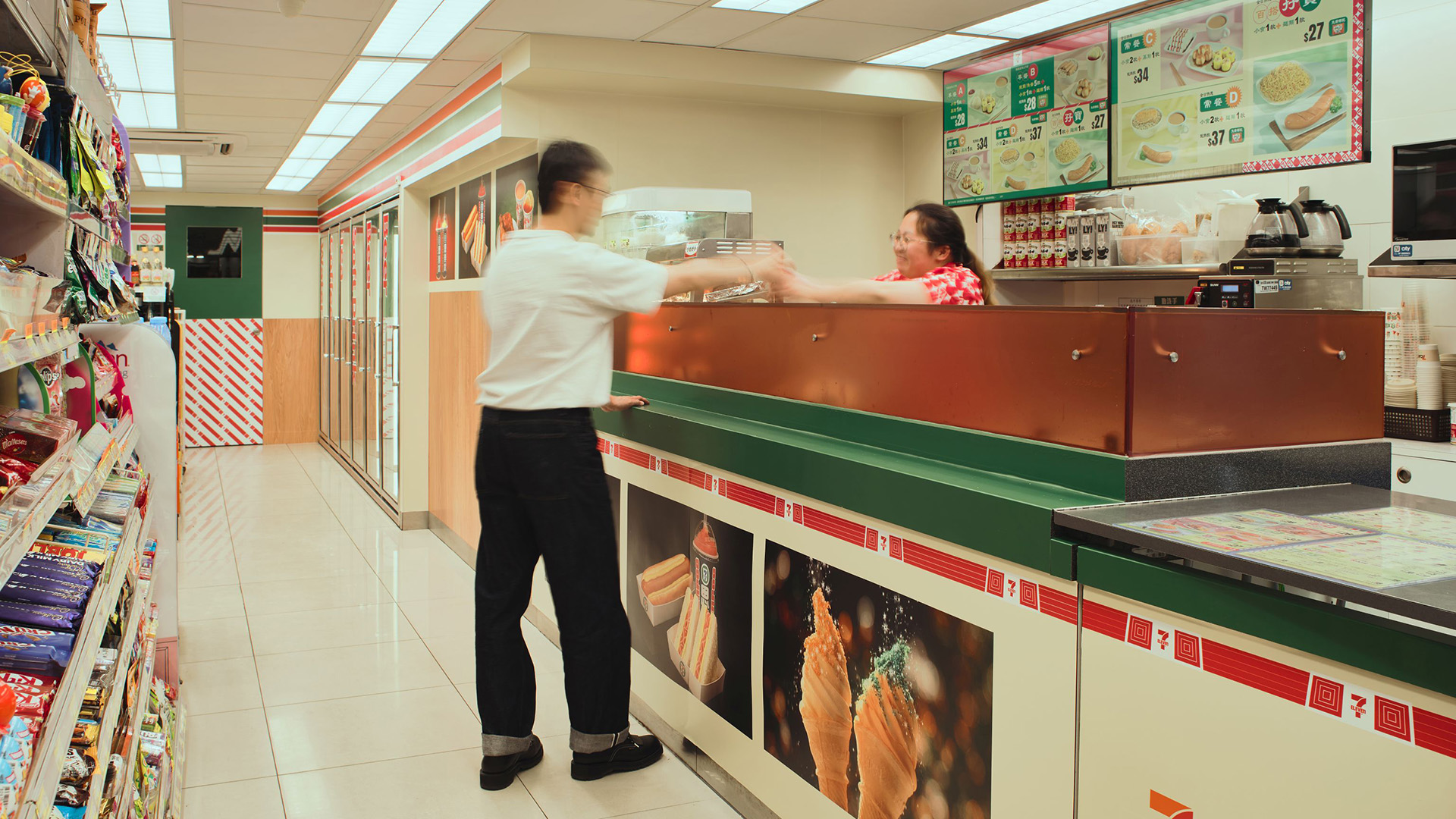
To mark its 45th anniversary, the convenience store giant has restored its very first Hong Kong location in Happy Valley to its original 1981 appearance. Known affectionately by generations of Hongkongers as the “Little Red House”, the store has been recreated with remarkable attention to detail, from its iconic red roof and vintage signage to the return of the original hot-food counter and classic Slurpee machine. The result feels less like a retail renovation and more like a piece of Hong Kong’s urban history brought back to life.
At first glance, it may look like a nostalgic marketing campaign. Look closer and it reveals something much more interesting about Hong Kong itself.
A Store That Grew With the City
When the first 7-Eleven opened in Happy Valley on 3 April 1981, Hong Kong was a very different place. The skyline was smaller, mobile phones were a luxury and convenience retail was still a relatively new concept. Yet the city’s fast-paced lifestyle was already taking shape.
Today, nearly 1,100 7-Eleven stores operate across Hong Kong and Macau, making the chain one of the most visible retail brands in the region. Over four and a half decades, it has become deeply embedded in everyday life. Whether serving office workers, students, night-shift employees or families, the brand has evolved alongside the city itself.
That ubiquity is precisely what makes the anniversary project so compelling. Rather than celebrating scale, 7-Eleven has chosen to celebrate memory.
For many residents, the Little Red House is not simply a store. It is a reminder of childhood, neighbourhood routines and the countless small moments that define life in Hong Kong.
The Business Value of Nostalgia
There is also a broader business lesson behind the campaign.
Many global brands are discovering that heritage has become a competitive advantage. In a world increasingly dominated by digital experiences and constant disruption, authenticity has become a valuable asset.
Instead of focusing on products, 7-Eleven’s anniversary campaign focuses on shared experiences. The company is not telling customers how successful it has become. It is reminding them how long it has been part of their lives.
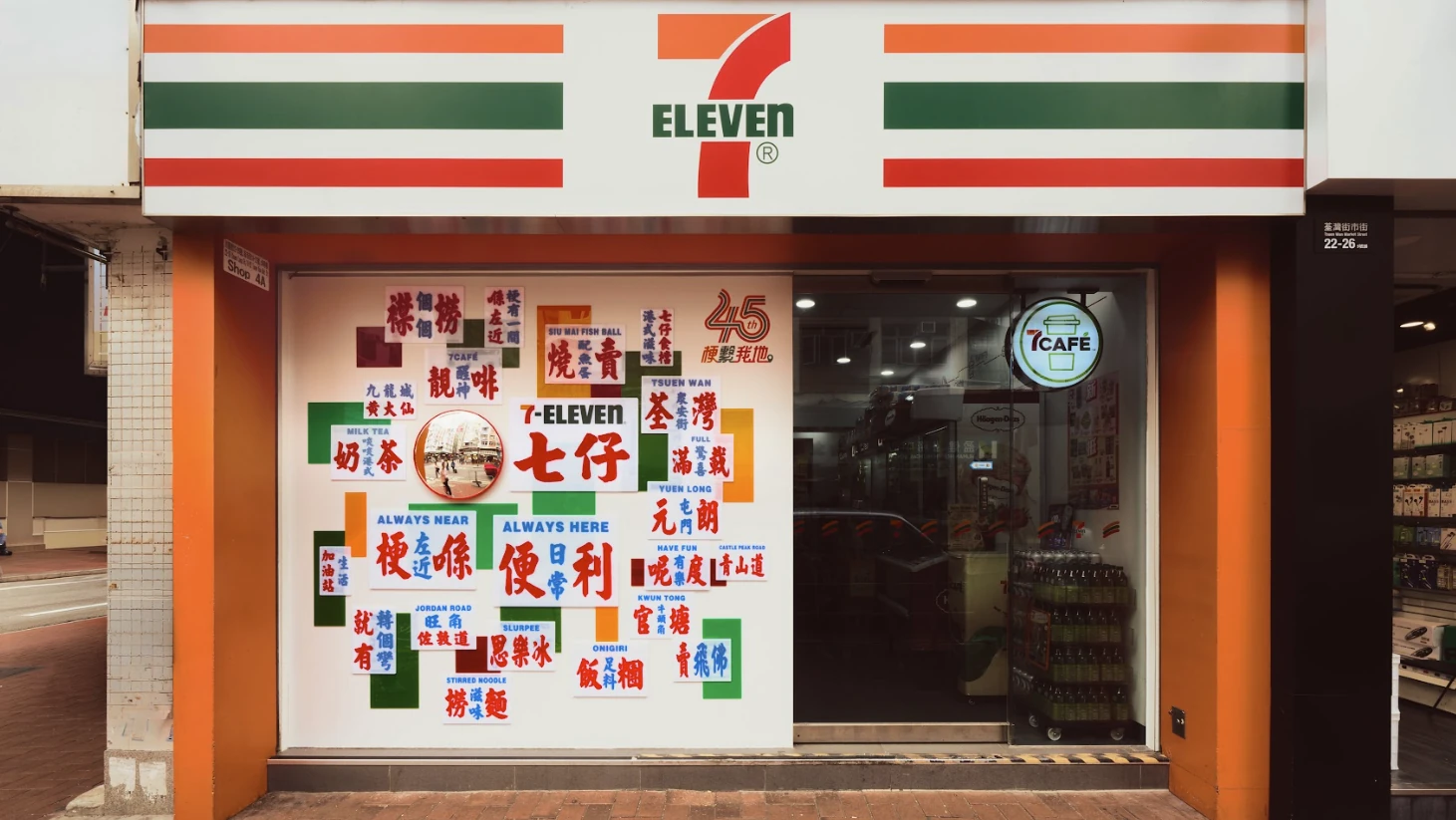
The accompanying anniversary film follows the same strategy. Narrated by Hong Kong media personality Jan Lamb, it draws on local humour, classic film references, television advertisements and everyday cultural touchpoints that resonate instantly with local audiences. Rather than behaving like a traditional corporate campaign, it functions as a celebration of Hong Kong’s collective identity.
The result feels distinctly local, highly shareable and emotionally effective.
Preserving a City’s Visual Identity
The Little Red House is only one part of the anniversary celebrations.
Additional themed stores in Mong Kok and Tsuen Wan pay tribute to two disappearing elements of Hong Kong’s streetscape: traditional neon signs and hand-painted minibus destination boards. Both represent forms of craftsmanship that are becoming increasingly rare as the city modernises.
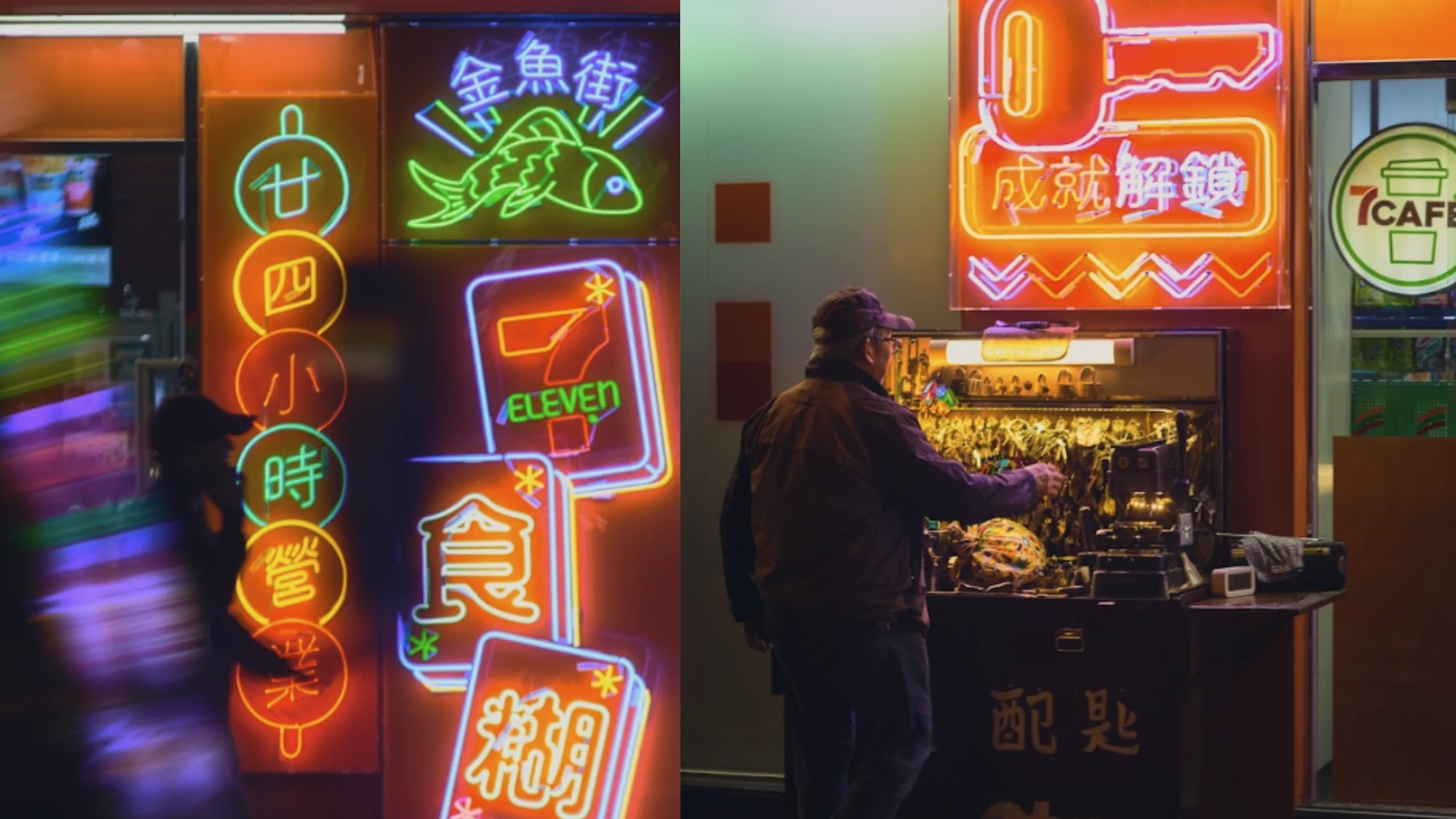
In Mong Kok, handcrafted neon signs created by local artisan Wu Chi-kai celebrate the neighbourhood’s visual culture. In Tsuen Wan, one of Hong Kong’s last remaining minibus sign painters, Mak Kam-sang, has recreated the distinctive calligraphy style found on traditional route signs.
These installations transform ordinary convenience stores into small cultural landmarks. More importantly, they demonstrate how brands can participate in preserving local identity rather than simply marketing to it.
Lessons for International Brands
For international companies operating in Asia, there is a valuable lesson here.
Success in the region is rarely achieved through scale alone. It requires a genuine understanding of local culture and community. The strongest brands are often those that become part of everyday life rather than remaining external observers.
Hong Kong’s 7-Eleven stores may look familiar to visitors from abroad, but their cultural role is distinctly local. The anniversary campaign recognises this reality and embraces it.
Rather than presenting itself as a global corporation, the brand positions itself as a long-standing participant in Hong Kong’s story.
A Small Red House With a Bigger Story
The restored Happy Valley store ultimately represents something larger than convenience retail.
It tells the story of Hong Kong’s transformation over the past 45 years. It reflects the memories of millions of residents who have watched the city evolve around them. And it demonstrates how brands can remain relevant by reconnecting with their roots.
In a city that constantly looks toward the future, the Little Red House offers a rare opportunity to look back. Not out of nostalgia alone, but as a reminder that the strongest connections between people, places and brands are built over time.
Forty-five years after opening its doors, Hong Kong’s first 7-Eleven remains what it has always been: a neighbourhood store. The difference is that today it has also become a small monument to the city’s shared history.
7-Eleven 45th anniversary retro stores
15 Wong Nai Chung Road, Happy Valley
99 Argyle Street, Mong Kok
22–26 Chuen Lung Street, Tsuen Wan

Further Market Insights
- Inside Sri Lanka’s Economy: From Global Supply Chains to Digital Growth
- Why Relationships Still Matter in a Global Economy. Insights from Philipp Forster on Wealth, Trust and International Growth
- Always Open, Always There: Inside the Rise of Taiwan’s Convenience Store Culture
- Taiwan Market Entry Guide: Opportunities for International Companies
- Taiwan Convenience Store Market: Why 7-Eleven and FamilyMart Dominate Retail Distribution
- Why Taiwan Has Become One of the Most Strategic Markets for Global Industry