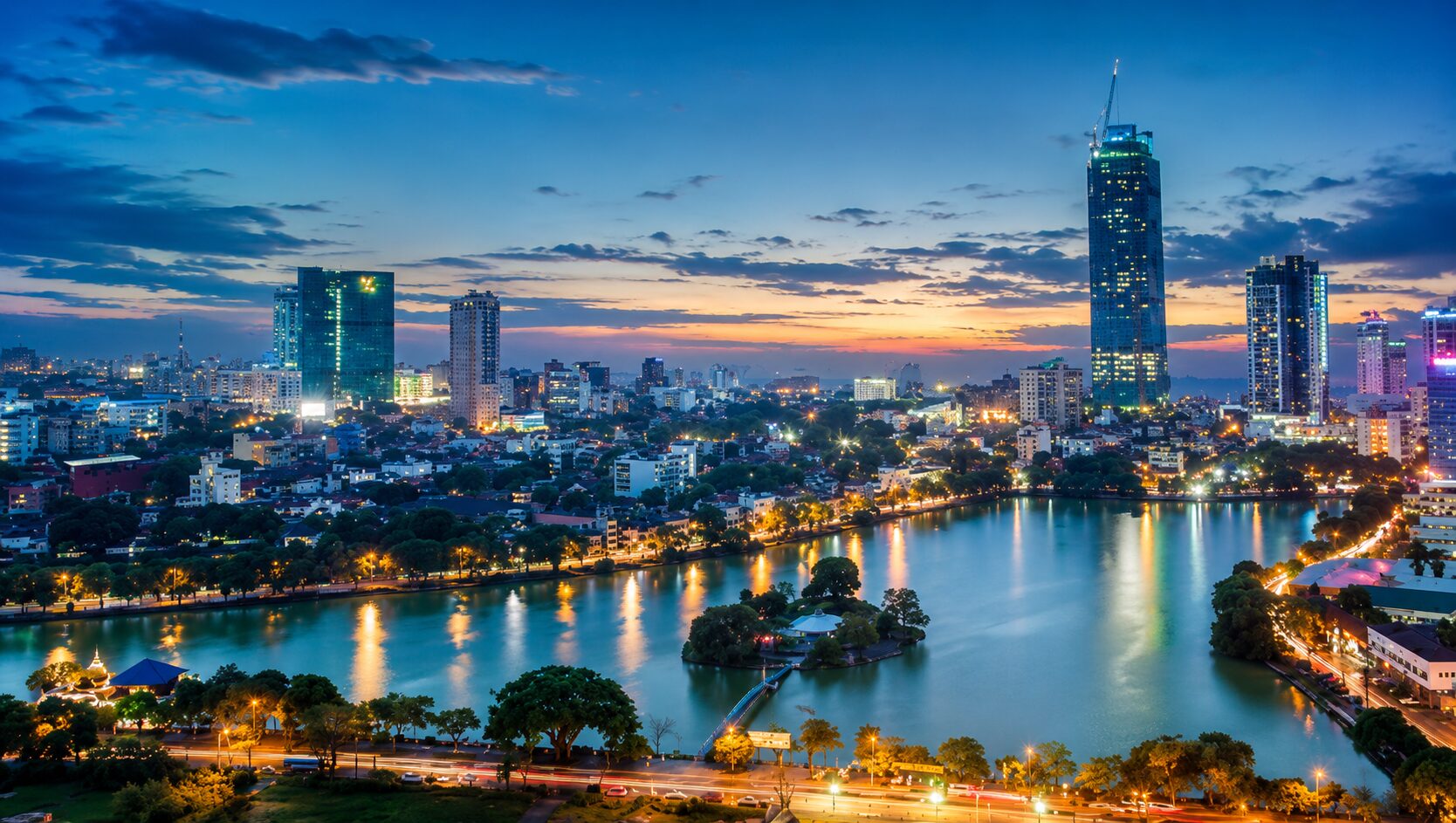
At a garment factory outside Katunayake, the morning shift begins before the airport next door has finished its first arrivals. Sewing machines run production lines for Victoria’s Secret and Tommy Hilfiger; somewhere further down the supply chain, a consignment of Ceylon tea is being graded for auction in Colombo, while a container vessel edges into berth at one of South Asia’s busiest transshipment hubs.
For decades, this combination of apparel, tea and shipping has quietly powered Sri Lanka’s economy. Yet the country that emerged from its 2022 sovereign debt crisis is not quite the same economy that entered it. Alongside factories, plantations and ports, new sectors such as information technology, financial services and professional consulting are beginning to play a larger role.
Four years after the crisis that triggered fuel shortages, political upheaval and economic contraction, Sri Lanka has returned to growth. The economy expanded by approximately 5 per cent in 2024 and maintained momentum through 2025. While traditional industries remain dominant, a new generation of businesses is attempting to reshape the country’s economic future.
The Three Traditional Pillars of the Economy
Despite growing diversification, Sri Lanka’s business landscape still rests on three foundations: apparel manufacturing, tourism and trade-related services. Together, these sectors generate a large share of export earnings, employment and foreign exchange inflows.
What makes Sri Lanka unusual among emerging markets is that each of these industries is closely linked to global markets. Garment factories serve international fashion brands, tourism depends heavily on overseas visitors, and the Port of Colombo functions as a gateway for global trade routes stretching from Europe to East Asia.
Apparel Manufacturing: The Export Workhorse
Apparel remains Sri Lanka’s largest export industry. Garment exports reached approximately US$4.9 billion in 2025 and continue to employ hundreds of thousands of workers directly and indirectly.
The country’s manufacturers have built a reputation not on low wages alone but on quality, sustainability and ethical production standards. This positioning has helped Sri Lanka secure long-term relationships with major international fashion brands.
MAS Holdings, one of the country’s largest private companies, operates more than 50 facilities across 17 countries and employs over 100,000 people globally. Design centres in New York, London and Hong Kong support manufacturing operations that produce apparel for many of the world’s leading brands.
Brandix, another major player, has developed a similarly integrated network spanning Sri Lanka and several international markets.
Moving Up the Value Chain
The challenge facing Sri Lanka’s apparel industry is no longer manufacturing capability. The country has already proven that it can compete internationally. The next step is generating higher margins through product development, design services, technical textiles and sustainable manufacturing solutions.
Increasing competition, changing consumer trends and new trade barriers are pushing manufacturers toward innovation rather than scale alone. As global fashion brands demand faster production cycles and more sustainable supply chains, Sri Lankan firms are investing heavily in technology and research.
Tourism’s Remarkable Recovery
Tourism remains one of Sri Lanka’s most visible industries and one of its most important sources of foreign exchange.
Following the pandemic, political unrest and economic crisis, the sector has staged a remarkable recovery. Tourism earnings exceeded US$3 billion in 2024, while visitor arrivals have steadily approached pre-pandemic levels.
From the beaches of the south coast to the tea-covered hills of the central highlands, the country continues to attract leisure travellers, wellness tourists and increasingly digital nomads seeking a lower-cost lifestyle destination in Asia.
The Business of Hospitality
Behind Sri Lanka’s tourism sector stand some of the country’s largest corporations. John Keells Holdings, one of the oldest and most influential conglomerates in the country, operates thousands of hotel rooms under its Cinnamon Hotels & Resorts brand.
The group’s long-term ambition of attracting five million visitors annually illustrates the confidence many business leaders have in the sector’s future potential.
Yet tourism remains highly exposed to external shocks. Weather events, geopolitical uncertainty, airline connectivity and global economic conditions can all influence visitor numbers with surprising speed.
The Enduring Importance of Tea
Few products are as closely associated with Sri Lanka as tea. More than a century after Ceylon tea became a global brand, the industry continues to support rural employment, export earnings and the country’s international reputation.
Companies such as Dilmah and Akbar Brothers have transformed a traditional agricultural commodity into globally recognised consumer brands, exporting Sri Lankan tea to markets across Europe, the Middle East and Asia.
Although tea no longer dominates the economy as it once did, it remains an essential pillar of rural livelihoods and export diversification.
The Conglomerates That Shape the Economy
One distinctive feature of Sri Lankan business is the continued dominance of diversified conglomerates. Unlike many Western economies where firms often focus on a single industry, Sri Lanka’s largest corporations operate across multiple sectors simultaneously.
John Keells Holdings, Hayleys and LOLC Group have interests spanning logistics, tourism, retail, finance, insurance, manufacturing and technology.
This model provides resilience in an economy that has historically experienced currency volatility, regulatory shifts and external shocks. When one sector struggles, another often compensates.
Ports, Logistics and Maritime Services
While tea plantations and beaches attract international attention, Sri Lanka’s most strategic asset may be its location.
The Port of Colombo sits directly along one of the world’s busiest shipping routes, connecting Europe, the Middle East and Asia. It has become South Asia’s largest transshipment hub and continues to attract investment in port infrastructure and logistics services.
As global supply chains evolve, maritime services are becoming increasingly important to Sri Lanka’s ambitions of positioning itself as a regional business and trade centre.
Colombo Port City and the Next Phase of Growth
The development of Colombo Port City reflects these ambitions. Built on reclaimed land adjacent to Colombo’s existing financial district, the project seeks to attract international financial institutions, corporate headquarters, technology companies and investment firms.
While still in its early stages, Port City represents a broader effort to move Sri Lanka beyond its traditional economic foundations and towards higher-value services.
The Rise of Technology and IT Services
Perhaps the most closely watched emerging sector is information technology and business process outsourcing.
Although still relatively small compared with neighbouring India, Sri Lanka’s IT industry has produced several internationally recognised companies and continues to attract investment in software engineering, consulting and digital services.
Technology firms benefit from a well-educated workforce, strong English-language skills and competitive operating costs. As a result, Colombo has become an increasingly attractive destination for regional technology operations.
A New Generation of Knowledge-Based Businesses
Growth in software development, consulting services and digital exports is creating opportunities that did not exist a decade ago. Companies are increasingly targeting clients in Europe, North America and Asia from development centres located in Colombo and other urban areas.
Policymakers view this sector as essential to raising productivity and creating higher-value employment opportunities for younger professionals.
The Challenge of Building a More Balanced Economy
The central question facing Sri Lanka is whether it can successfully bridge the gap between its traditional industries and its emerging knowledge economy.
Apparel, tourism and agriculture provide large-scale employment but often operate on relatively thin margins. Technology, financial services and professional consulting offer higher productivity and stronger growth potential but currently employ a much smaller share of the workforce.
The long-term success of Sri Lanka’s economic transformation will depend on connecting these two worlds. The goal is not to replace factories, plantations or tourism, but to complement them with industries capable of generating higher incomes, greater resilience and stronger international competitiveness.
Looking Ahead
Sri Lanka’s economy is still defined by tea, garments, tourism and shipping. Yet beneath these familiar industries, a quieter transformation is taking place. New investments in technology, logistics, financial services and urban development suggest a country seeking to redefine its role in the regional economy.
The coming decade will reveal whether Sri Lanka can successfully evolve from an export-oriented island economy into a more diversified business hub connecting South Asia, the Middle East and the wider Indo-Pacific region.

Further Market Insights
- Inside Colombo Port City: Sri Lanka’s Bet on Becoming South Asia’s Next Financial Hub.
- Why Relationships Still Matter in a Global Economy. Insights from Philipp Forster on Wealth, Trust and International Growth
- Always Open, Always There: Inside the Rise of Taiwan’s Convenience Store Culture
- Taiwan Market Entry Guide: Opportunities for International Companies
- Taiwan Convenience Store Market: Why 7-Eleven and FamilyMart Dominate Retail Distribution
- Why Taiwan Has Become One of the Most Strategic Markets for Global Industry